Previous
Next
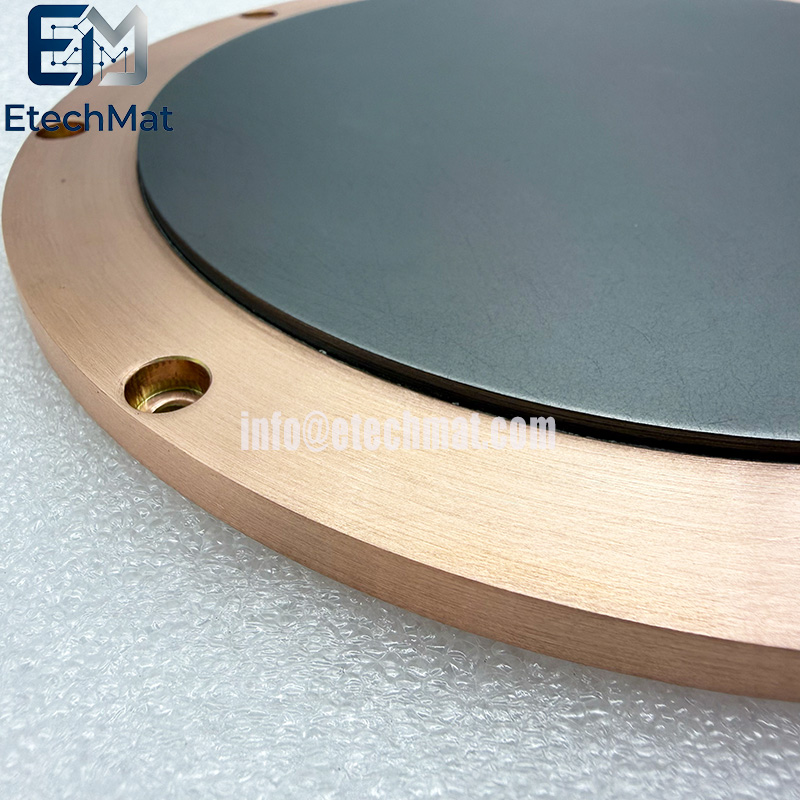
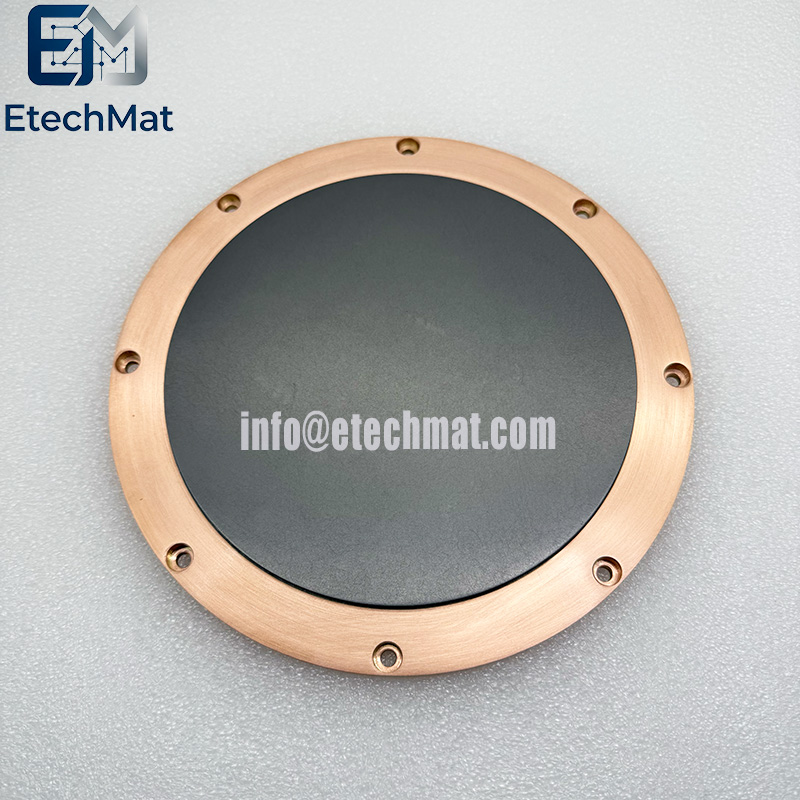
Carbon Sputtering Target
Description of Carbon Sputtering Target
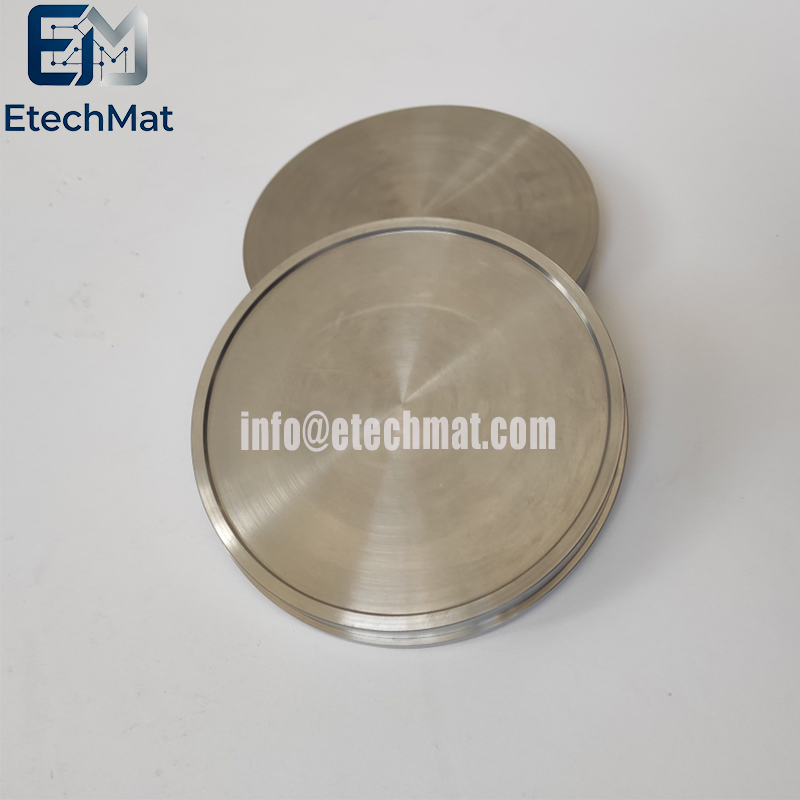
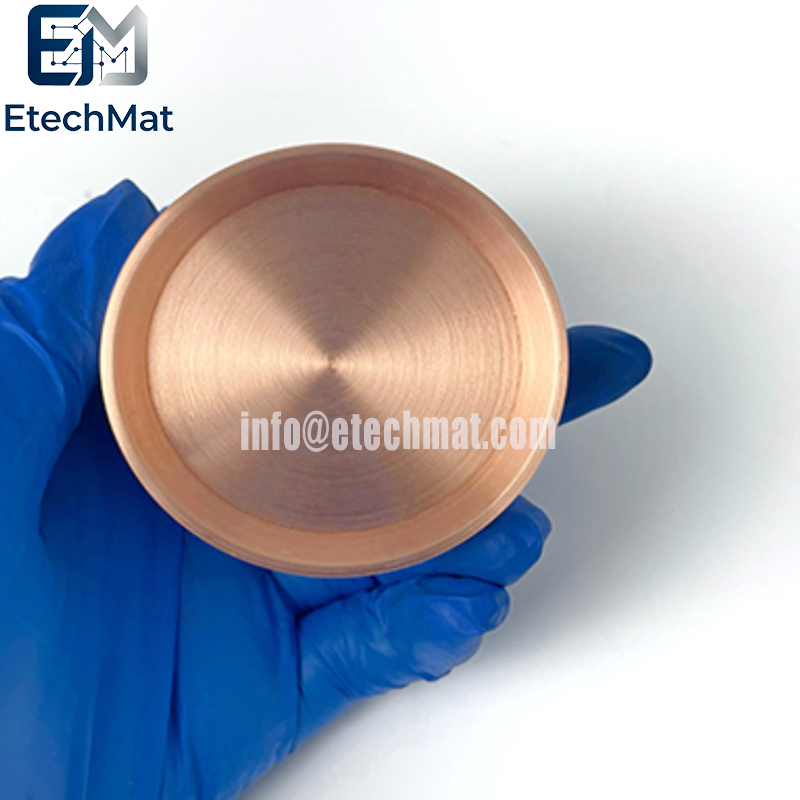
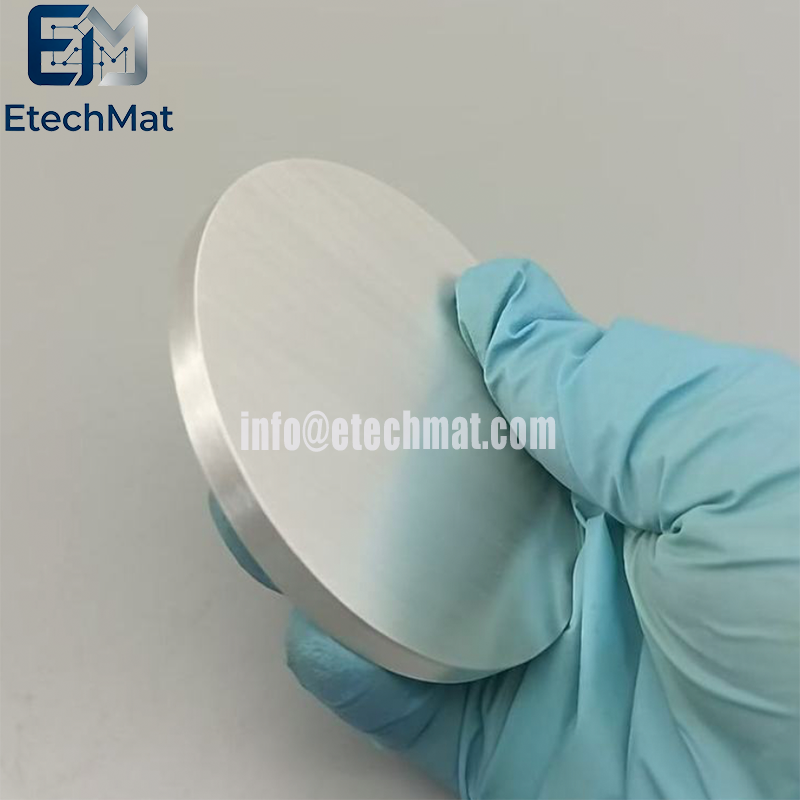
Carbon serves as a versatile sputter source for forming hard, low‑friction thin‑films across many vacuum coating workflows. Sub‑standard carbon stock can create inconsistent deposition behaviour that complicates your coating optimisation cycles. We source premium‑grade carbon material optimised for sputter‑based thin‑film creation. These targets produce durable carbon‑rich coatings fit for wear‑resistant surface layers, sensor components and semiconductor‑oriented lab developments. Every unit passes careful visual checks and dimensional confirmation before dispatch. They work well for experimental lab‑scale trials and intermediate pilot coating lines alike. Solid material performance helps stabilise your deposition process, reducing variable sample outcomes and supporting smooth progress for your functional thin‑film research and application‑oriented development tasks.
Features of Carbon Sputtering Target
1. High-purity carbon for reliable sputtering
2. Dense microstructure for stable deposition
3. Ideal for DLC and conductive films
4. Custom sizes for all sputter systems
5. Excellent thermal shock resistance
6. Low particle generation during process
7. Suitable for DC and RF magnetron
8. Supplied with full purity certification
9. Vacuum-packed for contamination-free use
10. Quick turnaround for research projects
Applications of Carbon Sputtering Target
The primary application of carbon sputtering targets is the fabrication of carbon-based functional thin films, specifically including:
Magnetic Data Storage: Used to produce magnetic thin films with granular structures (such as Fe-Pt systems), where controlling the dispersion state of carbon enhances magnetic properties. Relevant patents specify that the ratio of Raman spectral peak intensities (IG/ID) for the G-band and D-band must be below 5.0 to ensure high density and minimize issues related to sputtered particles.
Semiconductors and Electronic Devices: Utilized in integrated circuit manufacturing as conductive layers, protective layers, or mask materials, leveraging the stability and corrosion resistance of carbon thin films.
Optics and Surface Engineering: Employed to produce wear-resistant and corrosion-resistant coatings, thereby improving the surface properties of workpieces.
Specifications of Carbon Sputtering Target
Circular Sputtering Targets(Diameter): 1.0”2.0”3.0”4.0”5.0”6.0” up to 21”
Rectangular Sputtering Targets(Width x Length): 5” x 12”5” x 15”5” x 20”5” x 22”6” x 20”
Thickness: 0.125”, 0.25”
Shape: Disc/Rectangular
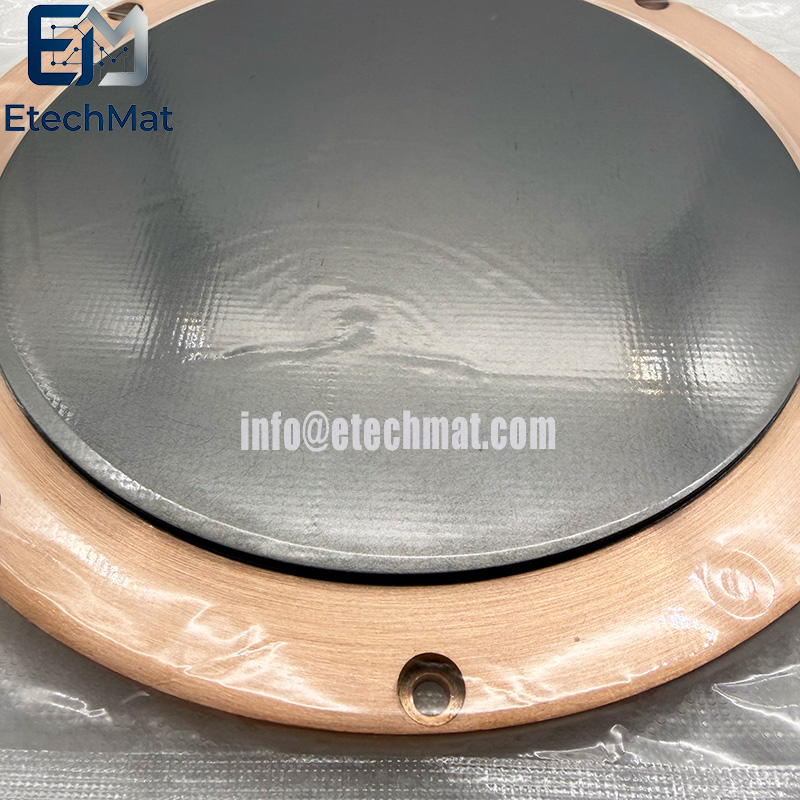
Bonding: Unbonding/Bonding
Purity: 2N(99%), 3N5(99.95%), 4N(99.99%), 4N5(99.995%),5N(99.999%).6N(99.9999%).
Key Process Points and Precautions
Sputtering Method: RF sputtering or magnetron sputtering is typically used for carbon targets; DC sputtering may be unstable due to carbon's relatively low electrical conductivity.
Density Requirements: Carbon is a material that is difficult to sinter, and target density directly affects thin-film quality. High-density targets minimize the shedding of carbon fragments during sputtering, thereby preventing particulate defects in the film.
Selection Recommendations: When purchasing, pay attention to purity, density, grain size, and micro-uniformity, as these factors directly influence both thin-film performance and the service life of the target.