Q1: Can you fabricate custom-sized sputtering targets that differ from standard dimensions?
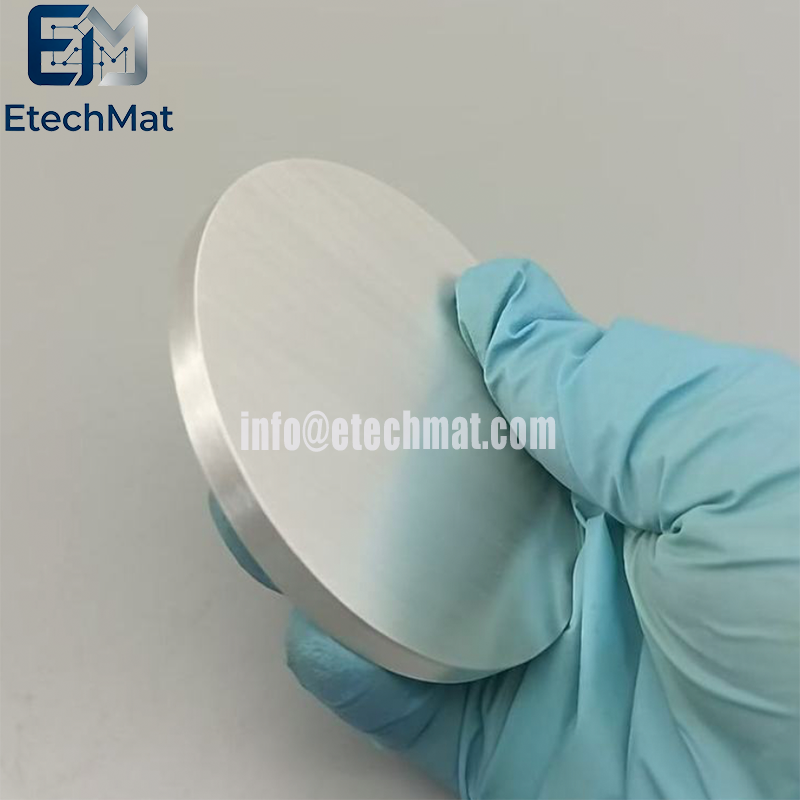
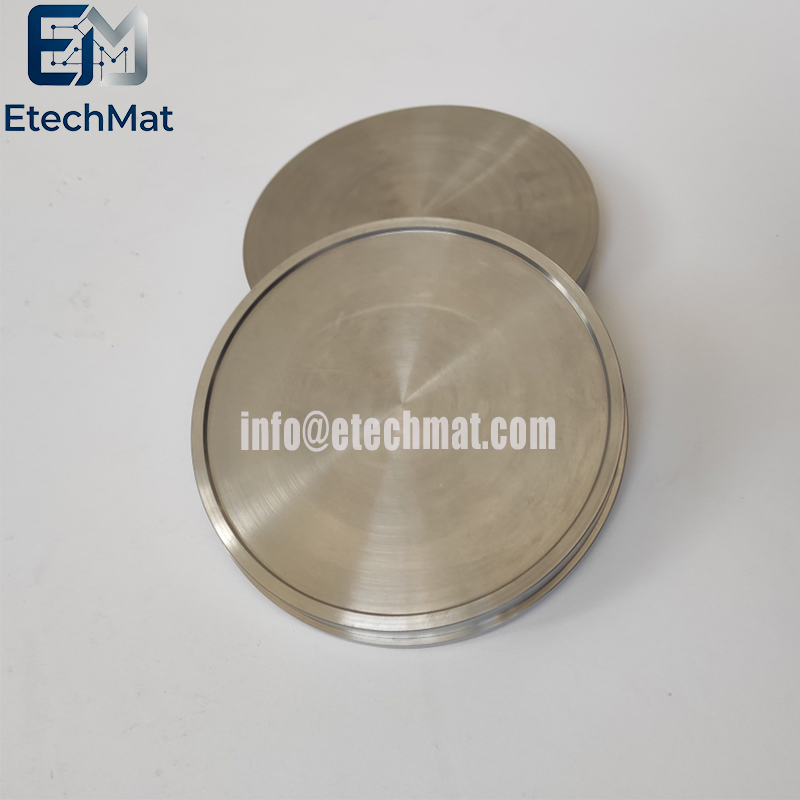
A1: Yes. We process round, rectangular, and tubular targets. Share your drawings, and we offer tailored machining to match your deposition equipment.
Q2: What purity levels are available for your metal and ceramic sputtering targets?
A2: We supply targets ranging from 3N to 5N purity. We can adjust material grades according to your thin-film performance requirements.
Q3: Do you provide target bonding service with copper backing plates?
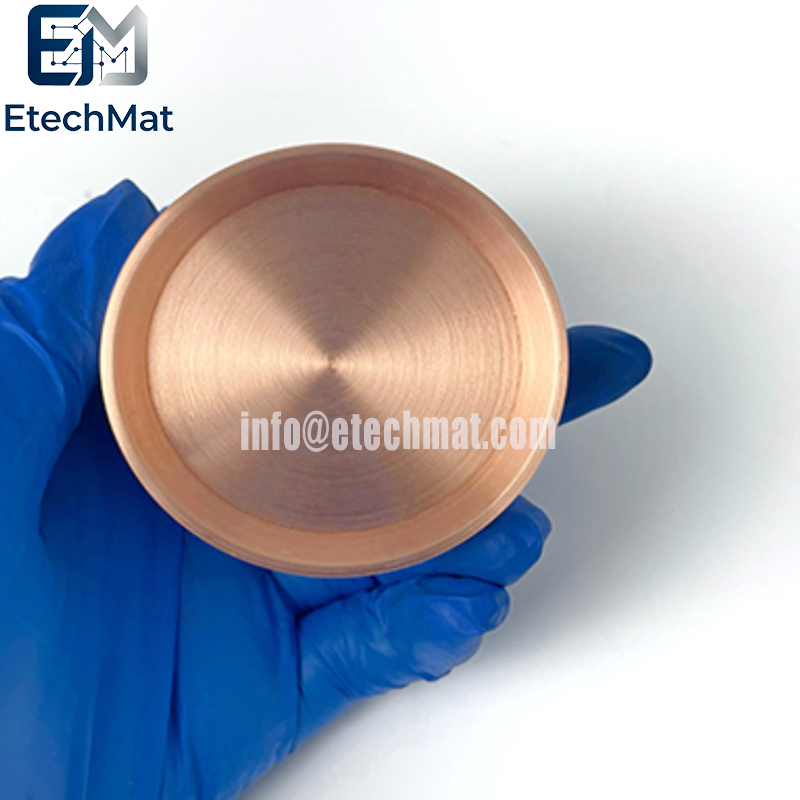
A3: Sure. We complete bonding for most metal and alloy targets. We test bonding quality to avoid separation under working temperatures.
Q4: Can I order small sample quantities for lab PVD testing before bulk purchase?
A4: We support small-batch R&D samples. Lead time for trial pieces is shorter to speed up your coating process verification.
Q5: How do you control target density to ensure stable thin-film deposition results?
A5: We adopt strict sintering and forming procedures. Consistent density helps you achieve a uniform film layer during continuous sputtering.
Q6: Are your special alloy materials available in both target form and raw blanks?
A6: Absolutely. Special alloys can be supplied as finished sputtering targets or semi-finished blanks for further customer processing.
Q7: What information should I provide to get an accurate quotation for sputtering targets?
A7: Kindly offer material type, size, purity, bonding needs and order volume. We will return formal quotes within one working day.
Q8: Do ceramic and oxide targets require special packaging for international shipping?
A8: Yes. Fragile oxide targets use shockproof packaging. We also provide complete documents for smooth customs clearance.
Q9: Can you adjust the microstructure of targets to fit my unique coating process?
A9: We tune manufacturing processes to modify microstructure. Tell us your sputtering parameters for optimized target performance.
Q10: What is your typical lead time for sample orders and mass production orders?
A10: Sample orders generally take 2–4 weeks. Mass production lead times depend on specifications; we will confirm schedules in advance.
Q11: Are your advanced materials suitable for both semiconductor and optical coating applications?
A11: Many of our materials serve multiple industries. We can recommend suitable grades based on your end application scenarios.
Q12: How will you handle surface defects if I receive non-conforming sputtering targets?
A12: Please share photos and test records. We will quickly assess issues and work out replacement or rework solutions for you.
Q13: Can you manufacture tubular sputtering targets besides flat plate and circular types?
A13: We produce flat, round, and tubular targets. Send your specification drawing, so we can check manufacturability for you.
Q14: Our previous bonding vendor sent targets back with voids. Do you bond in-house, and how do you verify bond integrity?
A14: We bond in-house using indium depending on the thermal load. Every bond is checked by ultrasonic C-scan for voids, and we thermal-cycle a sample from each batch. No target leaves without a clean scan. If you’ve had a bond fail before, we’ll review your power density and cooling flow to make sure the bond type actually matches your process.
Q15: We’re a startup ordering three targets a quarter. Do we get the same technical support as a fab ordering three hundred?
A15: Yes. Our engineers don’t sort inquiries by PO size. If you’re debugging a new process or switching from evaporation to sputtering, you get the same metallurgist on the call. We’d rather help you get it right at three targets than watch you struggle when you scale.
Q16: Do you stock exotic alloys, or does every order start from raw ingot? We’re trying to plan around six-month lead times.
A16: We keep a rolling inventory of common metals and standard alloys, but for true exotics—certain high-entropy alloys or custom ceramics—we typically start from verified raw material. The good news: we’ll tell you honestly whether it’s a 2-week or 16-week lead time before you commit, so you can plan your build schedule without surprises.