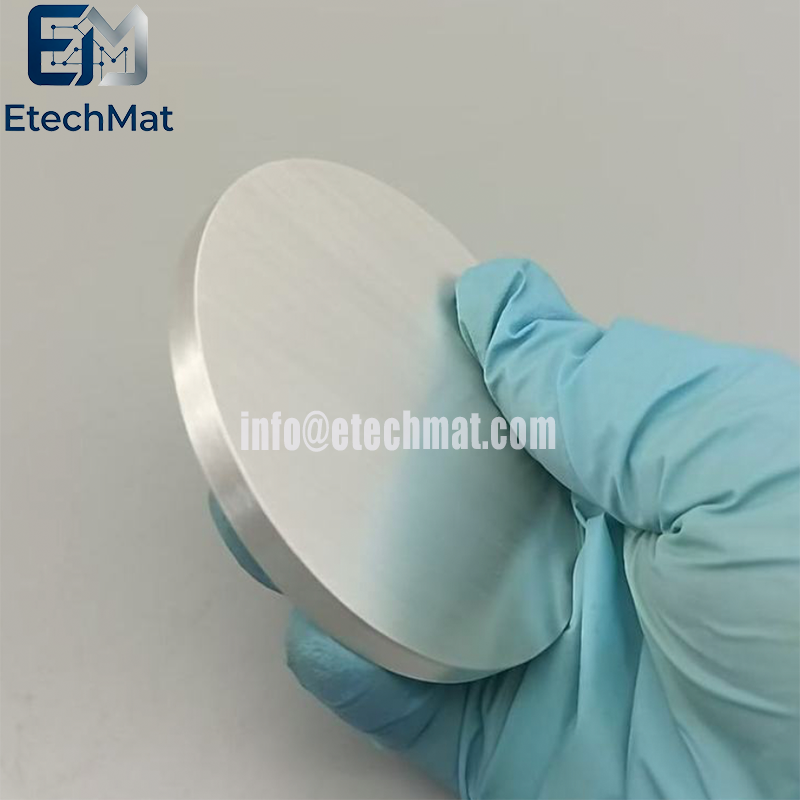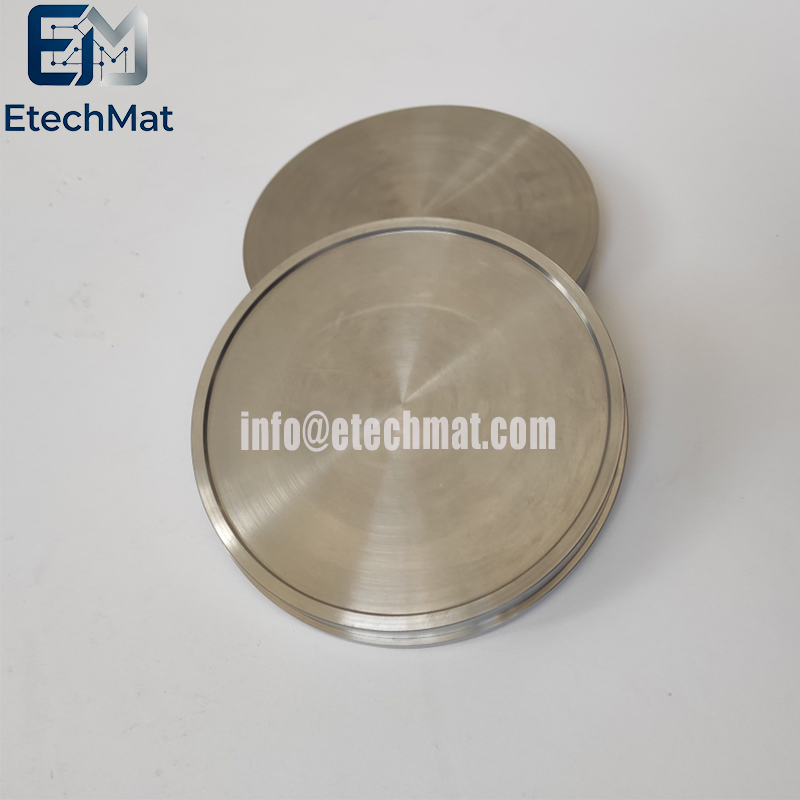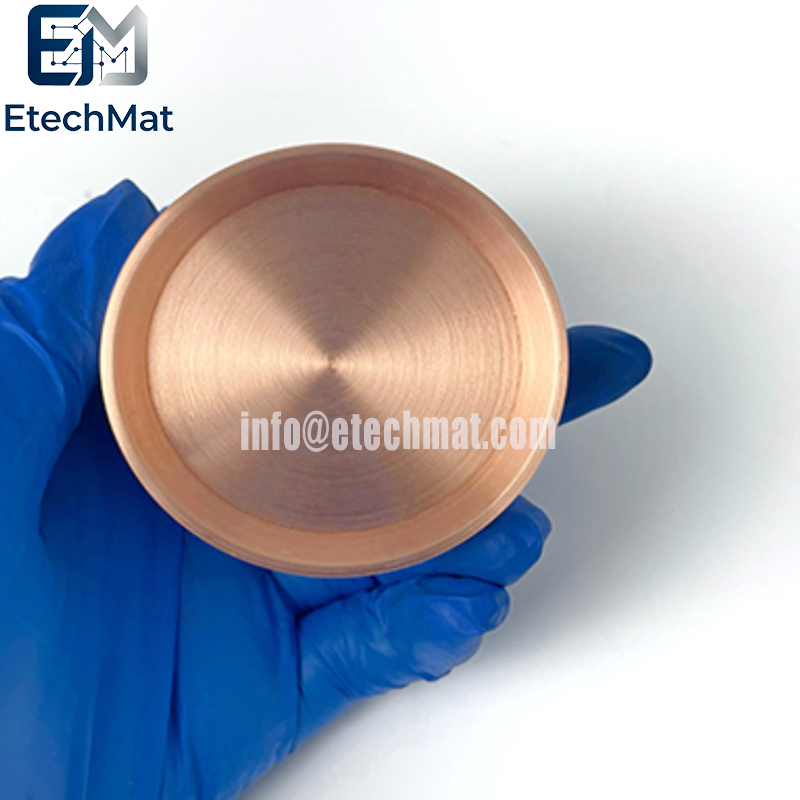
Copper sputtering targets are excellent materials for the vacuum coating industry. Sputtering targets constitute a specialized class of materials ideally suited for thin-film deposition; copper sputtering targets are produced by subjecting high-purity copper metal to a series of processing steps. They are manufactured to specific dimensions and shapes. Due to the outstanding properties of high-purity copper, copper targets are widely used in cutting-edge fields such as electronics, telecommunications, superconductivity, and aerospace.
1. How Are Copper Sputtering Targets Made?
Step 1
The first step in transforming metal into a copper sputtering target is smelting. The raw materials for copper smelting are copper ores, which fall into three categories:
1. Sulfide ores: Chalcopyrite (CuFeS2), bornite (Cu5FeS4), and chalcocite (Cu2S).
2. Oxide ores: Cuprite (Cu2O), malachite [Cu2(OH)2CO3], and chrysocolla (CuSiO3·2H2O).
3. Native copper.
Among the various types of copper ore, those with a copper content of approximately 1% (ranging from 0.5% to 3%) are considered worth mining. Impurities such as gangue can be removed from these ores via flotation, making it relatively easy to obtain a concentrate with a high copper content (8%–35%). Initial extraction yields blister copper; subsequent multiple rounds of electrolysis and zone refining are used to purify the copper from 99.95% to levels of 99.99%, 99.999%, and even 99.9999%.
Step 2
The next series of steps involves forging, rolling, and heat-treating the high-purity copper ingots. The objective is to refine the grain size and increase the density of the copper to meet the specific requirements for sputtering targets.
Step 3
Following deformation processing, the high-purity copper material is machined to achieve high precision and superior surface quality, ensuring it fits the dimensions required by vacuum coating equipment.
2. Classification of Copper Sputtering Targets
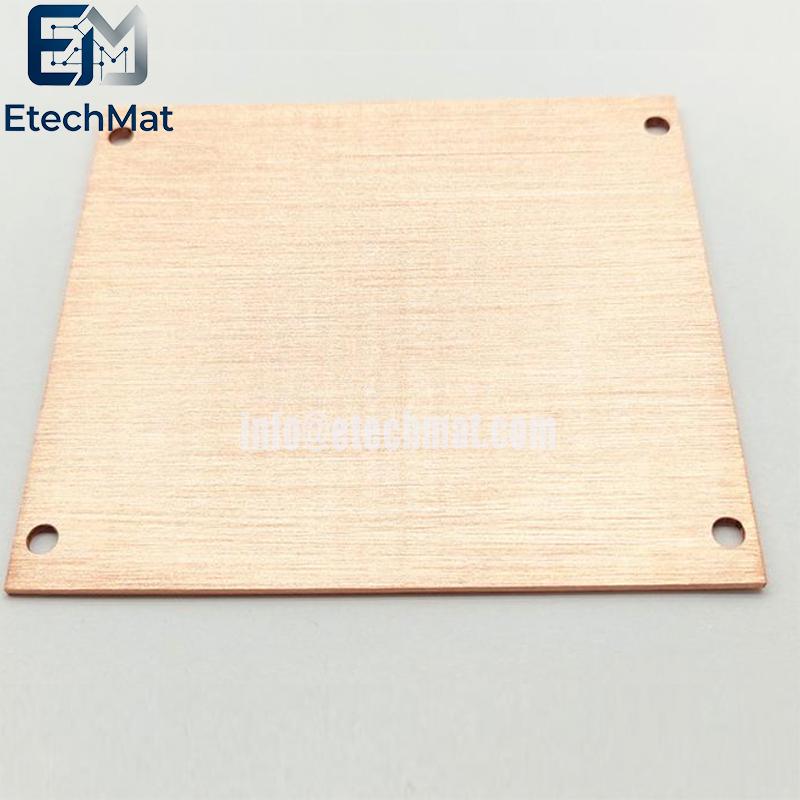
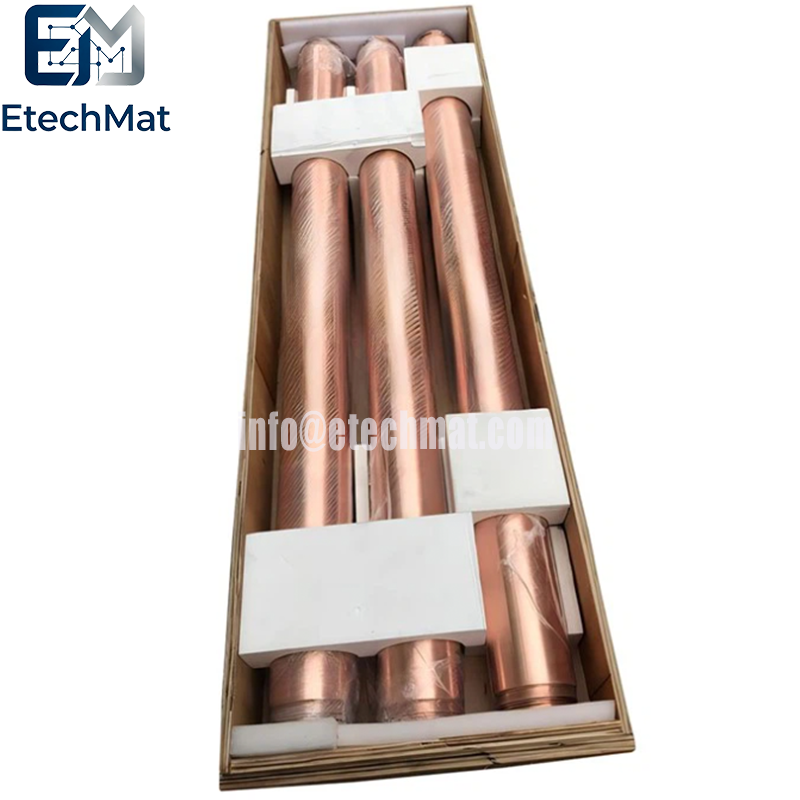
As previously mentioned, copper targets are generally categorized into planar (flat) targets and rotary (cylindrical) targets. Planar targets are sheet-like and come in circular or rectangular shapes. Rotary targets are tubular in shape and offer high utilization efficiency. High-purity copper undergoes a series of processes—including extrusion, drawing, straightening, heat treatment, and machining—to produce the final rotary copper target.

3. Applications of Copper Sputtering Targets
Copper targets are suitable for various sputtering techniques, such as DC diode, triode, and tetrode sputtering, as well as RF, ion beam, and magnetron sputtering. They are used to deposit reflective, conductive, semiconductor, capacitor, decorative, and protective films, and find applications in integrated circuits and displays. Compared to other targets—such as titanium sputtering targets—copper targets are significantly less expensive. Therefore, provided the film requirements are met, copper targets are the preferred material for sputtering.