Previous
Next
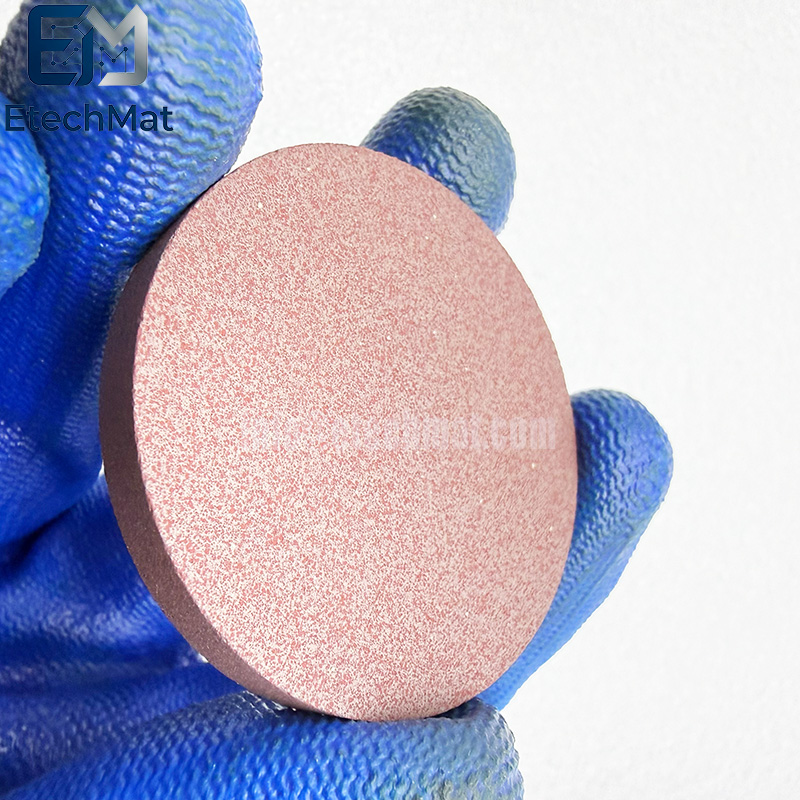
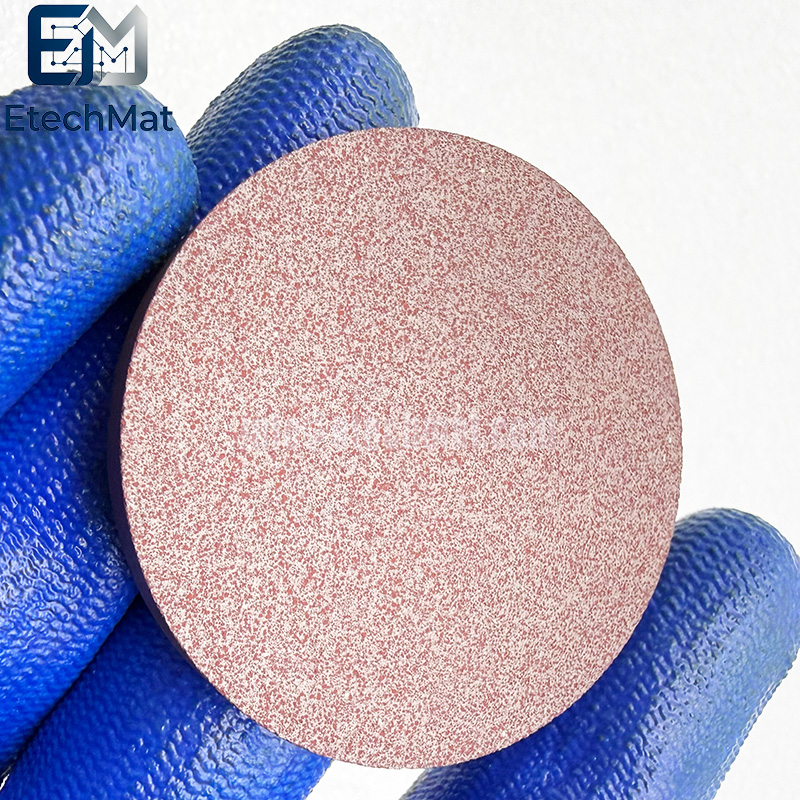
99.9% BiFeO3 Bismuth Ferrite Sputtering Target
Description of 99.9% BiFeO3 Bismuth Ferrite Sputtering Target
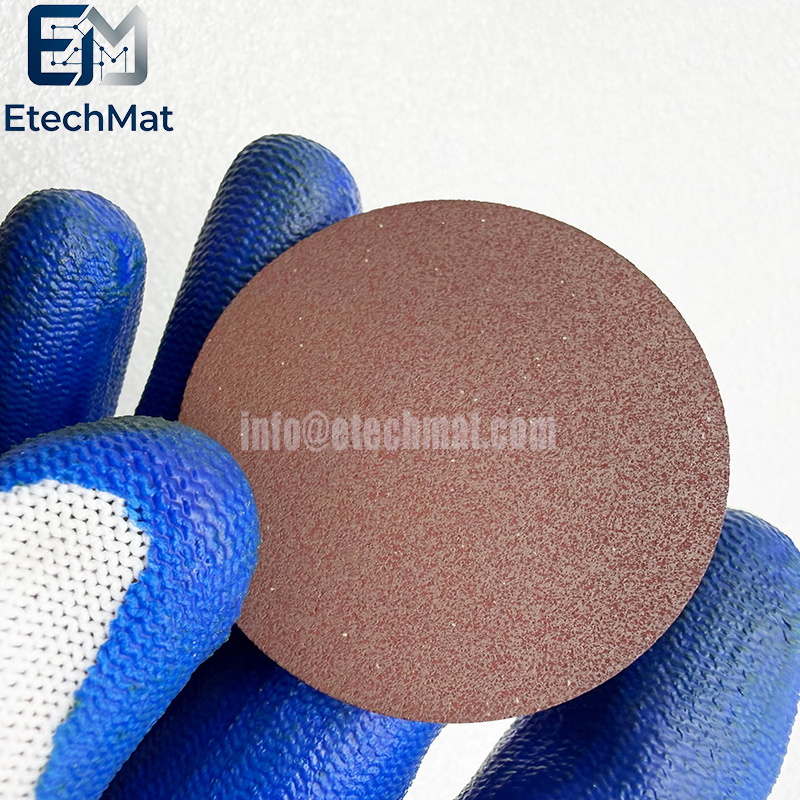
99.9% BiFeO3 Bismuth Ferrite Sputtering Target is designed for researchers who need a consistent starting material for controlled bismuth ferrite thin-film deposition. With 99.9% purity and a defined BiFeO3 composition, it provides a dependable option for ferroelectric, multiferroic, and functional oxide research. For BiFeO3 thin films, obtaining a high-purity target is only part of the process. Variations in target composition or material quality can affect deposition behavior, phase formation, crystallinity, and ultimately the electrical or magnetic response of the deposited film. This target is produced with controlled composition and consistent material quality to help reduce unnecessary variables during sputtering and make experimental results easier to compare. BiFeO3 is widely studied for its coupled ferroelectric and magnetic properties, making it an important material system for advanced functional devices and thin-film research. A consistent sputtering target gives researchers a more reliable basis for optimizing substrate temperature, oxygen conditions, power, and other deposition parameters. Suitable for magnetron sputtering and related PVD processes, the 99.9% BiFeO3 Bismuth Ferrite Sputtering Target can be supplied in customized sizes and configurations to match different equipment. It is a practical choice when reproducible deposition and controlled material chemistry matter more than simply meeting a purity specification.
Features of 99.9% BiFeO3 Bismuth Ferrite Sputtering Target
Compositional compensation: This is the primary design objective. During sputtering or subsequent high-temperature processing, bismuth (Bi) tends to volatilize and be lost from bismuth ferrite (BiFeO₃), leading to compositional deviations and defects such as oxygen vacancies. The addition of an extra 10 at% of bismuth is intended to compensate for this loss, ensuring the deposited film's composition more closely approximates ideal BiFeO₃.
Suppression of secondary phases: A bismuth deficiency makes the film prone to forming secondary phases (such as Fe₂O₃), whereas an excess of bismuth (e.g., where x ≥ 1.1) leads to the precipitation of Bi₂O₃ secondary phases. The 10 at% excess design strikes a balance between compensating for volatilization and avoiding the formation of excessive secondary phases.
Improvement of film properties: Greater compositional accuracy and fewer defects help enhance the film's crystalline quality and ferroelectric performance, while also reducing leakage current.
Applications of 99.9% BiFeO3 Bismuth Ferrite Sputtering Target
It is primarily used for the preparation of thin films in the fields of ferroelectric memory devices, magnetoelectric coupling devices, spintronic devices, and photocatalysis. BiFeO₃ thin films deposited via magnetron sputtering hold significant application potential in areas such as information storage, sensors, and microelectronic devices.
Specifications of 99.9% BiFeO3 Bismuth Ferrite Sputtering Target
Circular Sputtering Targets (Diameter): 1.0”, 2.0”, 3.0”, 4.0”, 5.0”, 6.0”, up to 12”
Rectangular Sputtering Targets (Width x Length): 5” x 12”, 5” x 15”, 5” x 20”, 5” x 22”, 6” x 20”
Thickness: 0.125”, 0.25”
Shape: Disc/Rectangular
Bonding: Unbonded/Bonded
Purity: 3N(99.9%)
Preparation and Process Requirements
The preparation of high-purity targets involves significant technical challenges, centering on powder preparation and sintering processes:
Purity and Density: In addition to requiring a chemical purity exceeding 99.9%, the target must possess high density, good mechanical strength, and a uniform microstructure to minimize particle ejection (splashing) during the sputtering process.
Sintering Process: Targets are typically composed of BiFeO₃-based sintered bodies. Preparation involves mixing powders such as Bi₂O₃ and Fe₂O₃ according to a specific ratio, followed by pressure sintering at 650–750°C in a vacuum or inert gas atmosphere.
Impurity Control: The deposition of metallic Bi within the target is a common issue; process optimization is required to minimize particle formation or arcing, thereby ensuring the stability of thin-film deposition.