Previous
Next
8YSZ ZrO2 Stabilized 8mol% Y2O3 Sputtering Target
Description of 8YSZ ZrO2 Stabilized 8mol% Y2O3 Sputtering Target
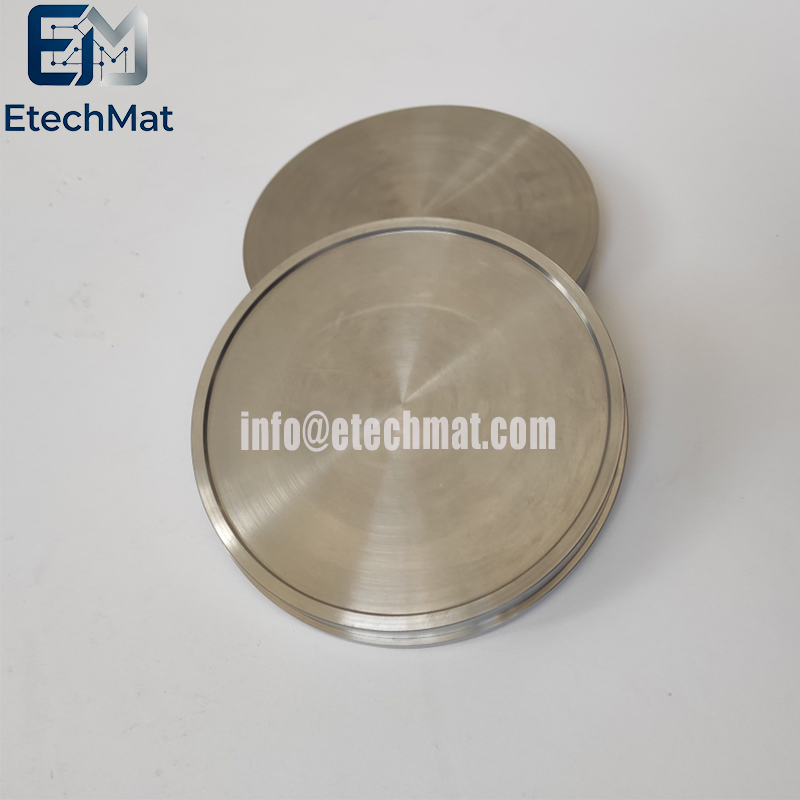
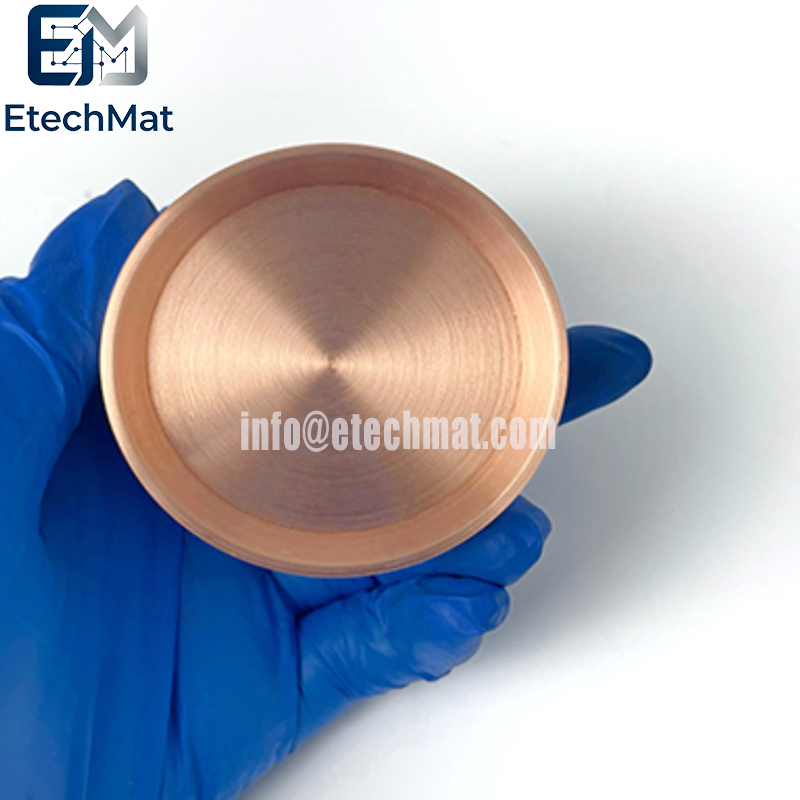
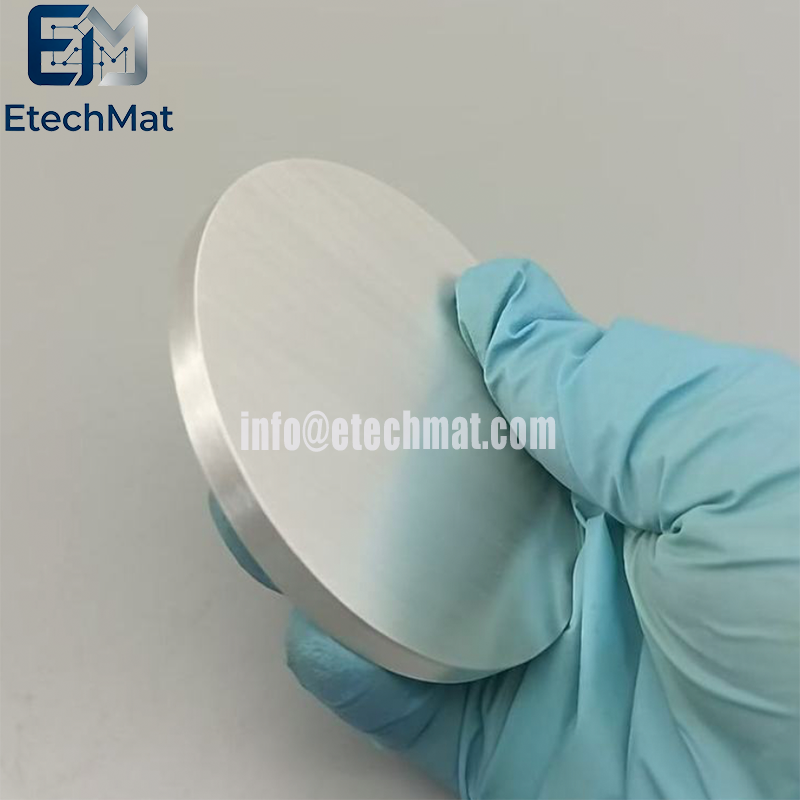
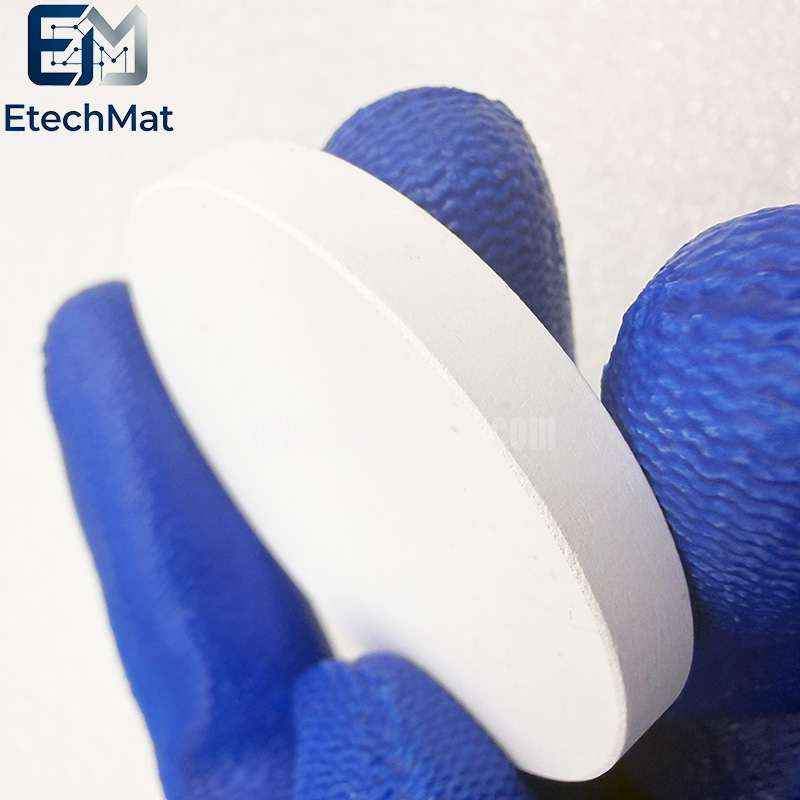
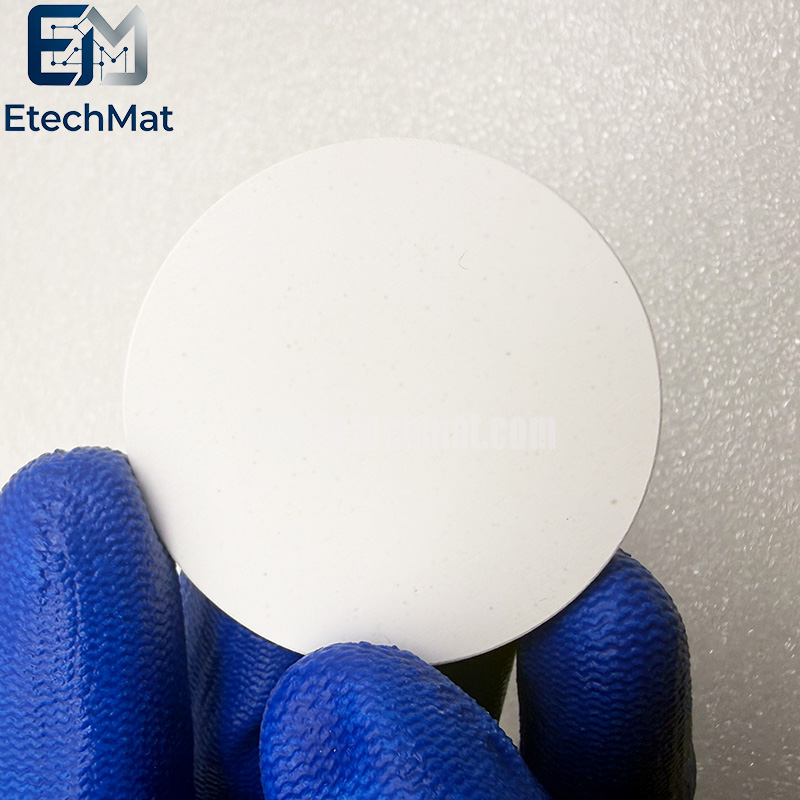
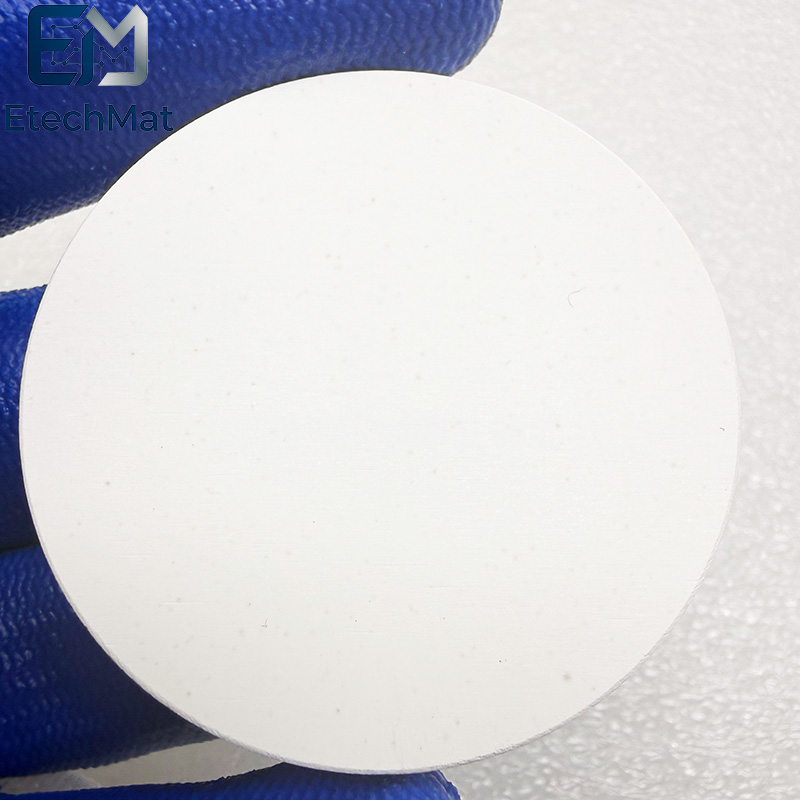
8YSZ ZrO2 Stabilized 8mol% Y2O3 Sputtering Target is designed for applications that require stable zirconia-based materials, controlled composition, and reliable thin-film performance. It consists of zirconium oxide stabilized with 8 mol% yttrium oxide (Y2O3), offering a dependable material source for solid oxide fuel cells, oxygen sensors, thermal barrier coatings, and advanced ceramic films. In demanding ceramic applications, the quality of the sputtering target can directly affect film uniformity, deposition stability, and the repeatability of test results. This 8YSZ target is manufactured with controlled composition and consistent material quality to help reduce process variations and provide more predictable sputtering behavior. 8YSZ is widely valued for its high ionic conductivity, thermal stability, and resistance to harsh operating conditions. These characteristics make it a practical choice for researchers and manufacturers developing functional ceramic layers for energy, sensing, and high-temperature applications. Available in customized dimensions and configurations, the 8YSZ ZrO2 Stabilized 8mol% Y2O3 Sputtering Target can be adapted to different sputtering systems and project requirements. It offers a straightforward solution for customers who need reliable material quality, stable deposition, and better control over advanced zirconia thin-film development.
Features of 8YSZ ZrO2 Stabilized 8mol% Y2O3 Sputtering Target
Phase structure: 8 mol% doping results in a pure cubic phase (c-ZrO₂), which remains stable at temperatures exceeding 1000°C, thereby avoiding volume changes and coating stresses caused by phase transitions.
Ionic conductivity: Reaches 0.12–0.15 S/cm at 800°C, making it an ideal electrolyte material for solid oxide fuel cells (SOFCs).
Physical properties: Density of approximately 5.01 g/cm³, melting point of approximately 2410–2425°C; exhibits high chemical inertness and resistance to acid and alkali corrosion.
Applications of 8YSZ ZrO2 Stabilized 8mol% Y2O3 Sputtering Target
Thermal Barrier Coatings (TBCs): Deposited onto the surfaces of aero-engine and gas turbine blades via physical vapor deposition (PVD) sputtering; their low thermal conductivity effectively blocks high-temperature heat transfer, protecting the underlying metal substrate.
Solid Oxide Fuel Cells (SOFC/SOEC): Serving as electrolyte thin films, they facilitate energy conversion through the directional migration of oxygen ions via oxygen vacancies.
Precision Optics and Sensors: Leveraging high hardness and high refractive index properties to produce anti-reflective and protective coatings, or for use in oxygen and high-temperature sensors.
Biomedical Coatings: Sputtered onto the surfaces of artificial joints and dental implants to reduce wear rates and inhibit the release of metal ions.
Specifications of 8YSZ ZrO2 Stabilized 8mol% Y2O3 Sputtering Target
Circular Sputtering Targets (Diameter): 1.0”, 2.0”, 3.0”, 4.0”, 5.0”, 6.0”, up to 12”
Rectangular Sputtering Targets (Width x Length): 5” x 12”, 5” x 15”, 5” x 20”, 5” x 22”, 6” x 20”
Thickness: 0.125”, 0.25”
Shape: Disc/Rectangular
Bonding: Unbonded/Bonded
Purity: 3N(99.9)
Preparation and Usage Guidelines for 8YSZ ZrO2 Stabilized 8mol% Y2O3 Sputtering Target
Preparation Process: Zirconium and yttrium precursors are first mixed at the atomic scale via co-precipitation or hydrothermal methods to produce nanopowders through high-temperature calcination. The material is then shaped using dry pressing and cold isostatic pressing, densified via high-temperature sintering, and finally precision-machined to achieve a high-quality surface finish.
Sputtering Method: Suitable for RF magnetron sputtering; deposited film thicknesses can range from 300 nm to 2 μm. Increasing the substrate temperature can reduce the bulk resistance of the film.
Bonding Requirements: The back of the target typically requires bonding to a copper backing plate using welding or conductive adhesive to ensure effective thermal and electrical conductivity during the sputtering process.