Previous
Next
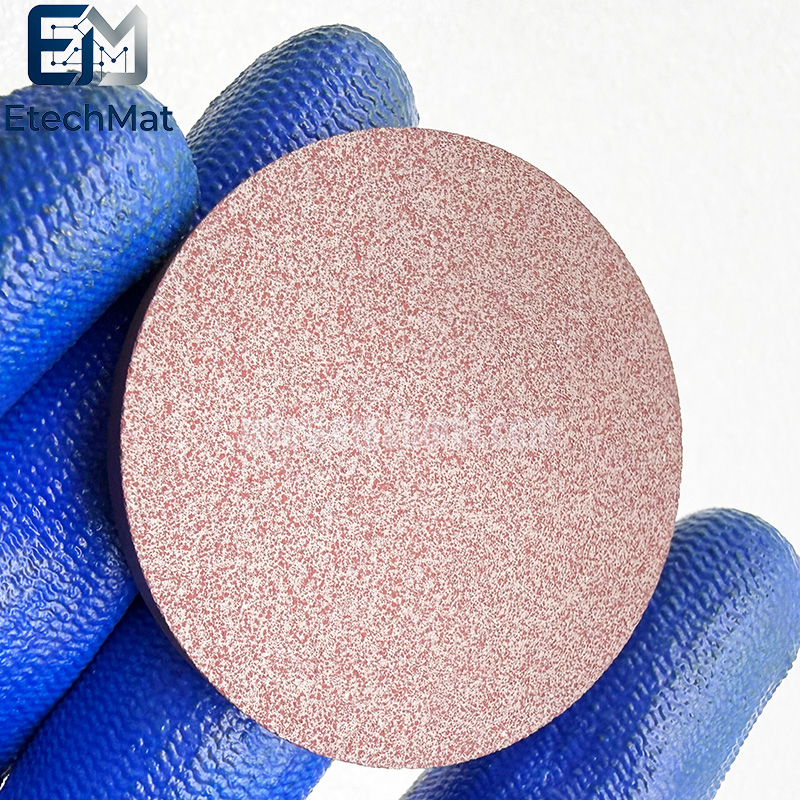
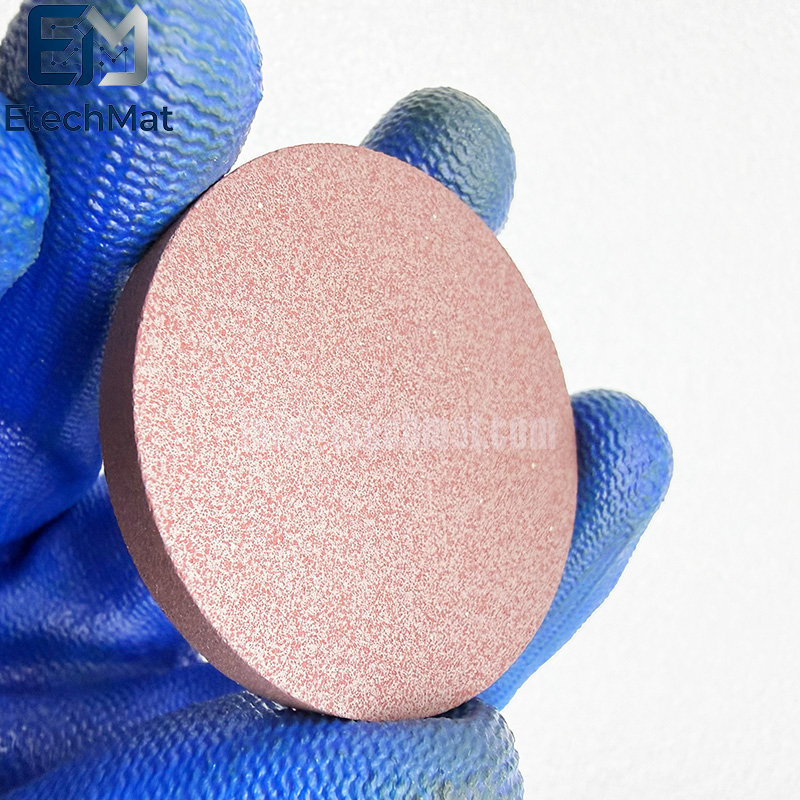
3N BiFeO3 with 10 at% excess Bi Sputtering Target
Description of 3N BiFeO3 with 10 at% excess Bi Sputtering Target
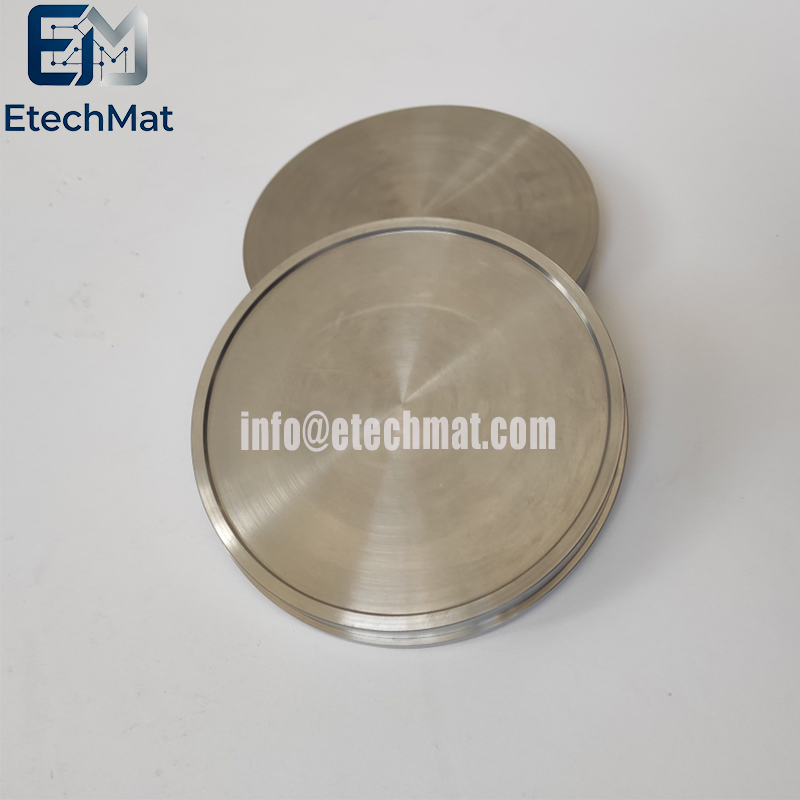
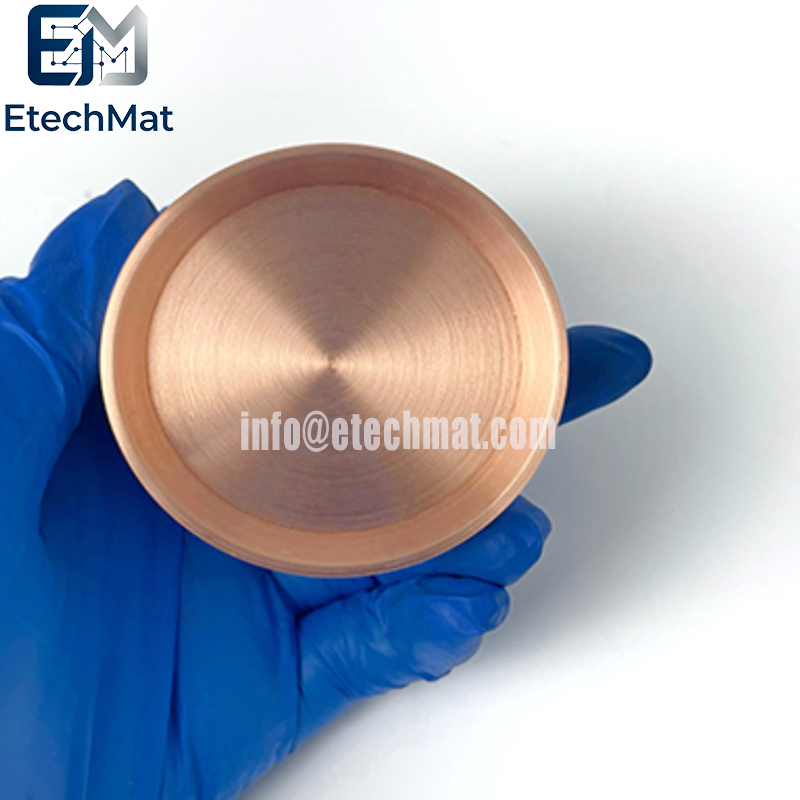
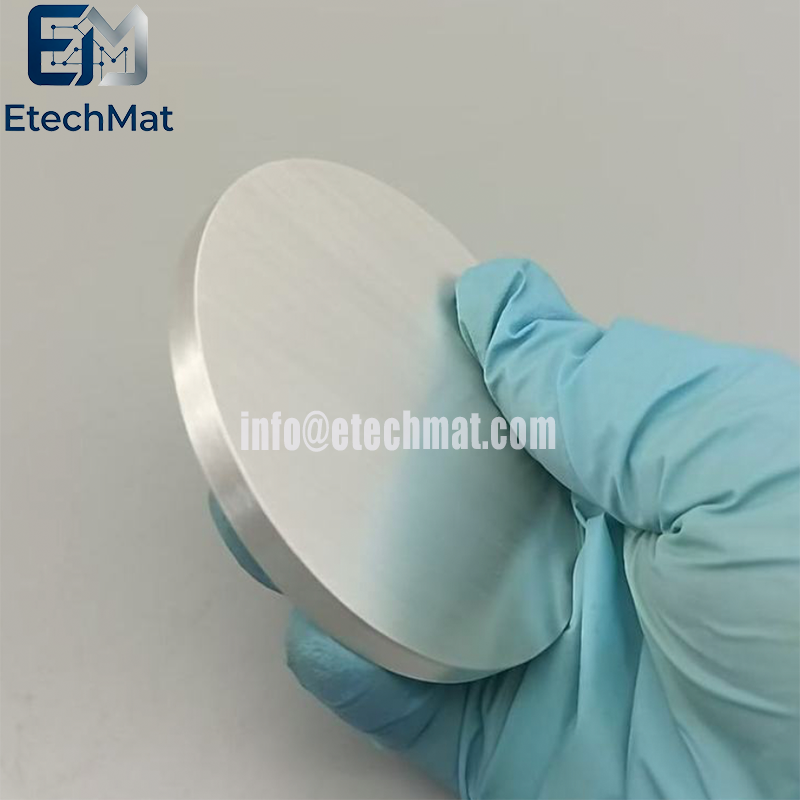
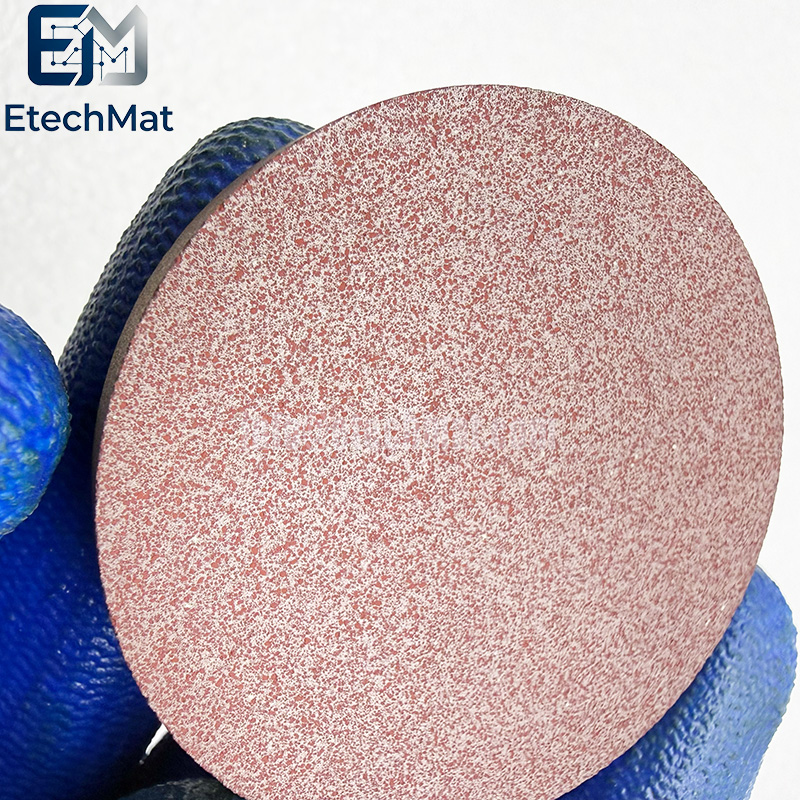
3N BiFeO3 with 10 at% Excess Bi Sputtering Target is designed for thin-film research where maintaining the intended BiFeO3 composition can be a real process challenge. With 3N purity and 10 at% excess Bi, it provides a practical material source for the development of ferroelectric, multiferroic, and functional oxide thin films. Bismuth volatility during deposition can make composition control more difficult, particularly when researchers are trying to reproduce film properties from one run to another. The excess Bi composition is designed to help compensate for Bi loss during sputtering, giving users more room to optimize deposition conditions without unnecessarily shifting the intended material chemistry. Beyond the stated purity, consistent target composition and material quality are important for obtaining stable deposition behavior and meaningful experimental comparisons. This BiFeO3 sputtering target is manufactured with controlled composition and uniform material quality to help reduce target-related variables during PVD and magnetron sputtering processes. The target can be supplied in customized dimensions and configurations to suit different sputtering equipment and research requirements. It is a dependable choice for researchers studying BiFeO3-based thin films, particularly where process repeatability, composition control, and reliable experimental data matter more than simply meeting a basic specification.
Features of 3N BiFeO3 with 10 at% excess Bi Sputtering Target
Composition and Compensation: An excess of Bi helps offset Bi loss during sputter deposition and reduces oxygen vacancy defects in the film.
Process Compatibility: Such ceramic targets are typically used with RF sputtering, as oxides generally exhibit poor electrical conductivity.
Secondary Phase Control: Research indicates that if the Bi excess exceeds a certain threshold (e.g., x ≥ 1.1), a Bi₂O₃ secondary phase may appear in the film; consequently, an excess of 10 at% falls within the commonly optimized range.
Applications of 3N BiFeO3 with 10 at% excess Bi Sputtering Target
Such targets are used in physical vapor deposition processes, such as magnetron sputtering, to fabricate BiFeO₃ (BFO) thin films. BFO is a room-temperature multiferroic material exhibiting both ferroelectricity (with a Curie temperature of approximately 830°C) and antiferromagnetism, offering potential applications in fields such as ferroelectric memory, sensors, and photovoltaic devices.
Specifications of 3N BiFeO3 with 10 at% excess Bi Sputtering Target
Circular Sputtering Targets (Diameter): 1.0”, 2.0”, 3.0”, 4.0”, 5.0”, 6.0”, up to 12”
Rectangular Sputtering Targets (Width x Length): 5” x 12”, 5” x 15”, 5” x 20”, 5” x 22”, 6” x 20”
Thickness: 0.125”, 0.25”
Shape: Disc/Rectangular
Bonding: Unbonded/Bonded
Purity: 3N(99.9%)
Target Process Requirements
In addition to requiring a chemical purity of 99.9%, oxide targets used for magnetron sputtering must meet several key physical specifications:
High density: Minimizes internal porosity to prevent particle spattering during sputtering, which could compromise thin-film quality.
Uniform microstructure: Ensures a homogeneous composition in the sputtered film, serving as the foundation for consistent coating quality.
Good mechanical strength: Ensures the target resists cracking or damage during installation and the sputtering process.
Strong bonding to the backing plate: Ensures efficient heat conduction and prevents deformation caused by localized overheating during sputtering.