Previous
Next
3N BiFe0.95Mn0.05O3 with 10 at% excess Bi Sputtering Target
Description of 3N BiFe0.95Mn0.05O3 with 10 at% excess Bi Sputtering Target
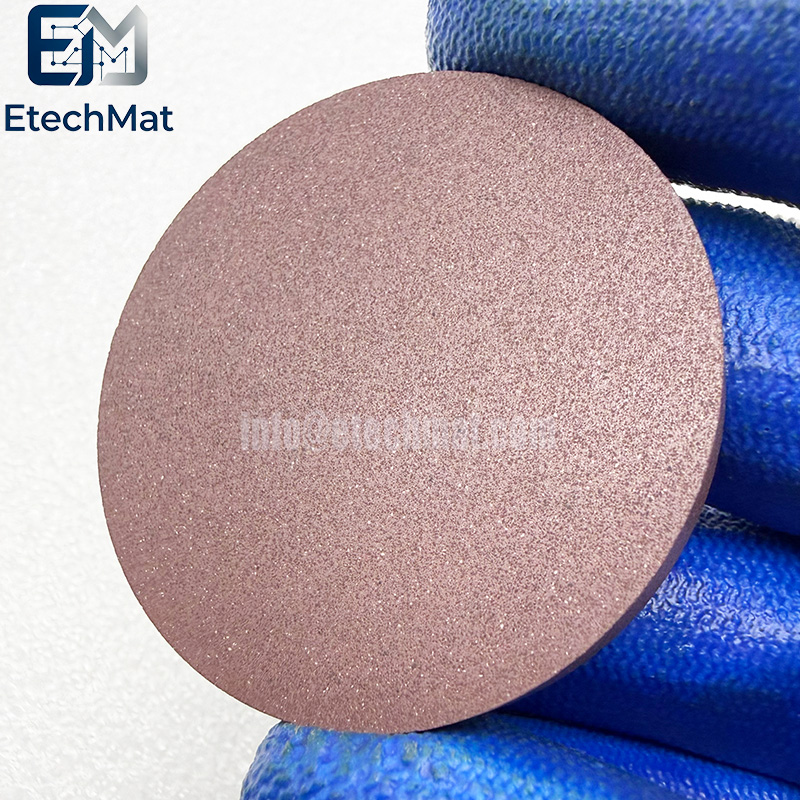
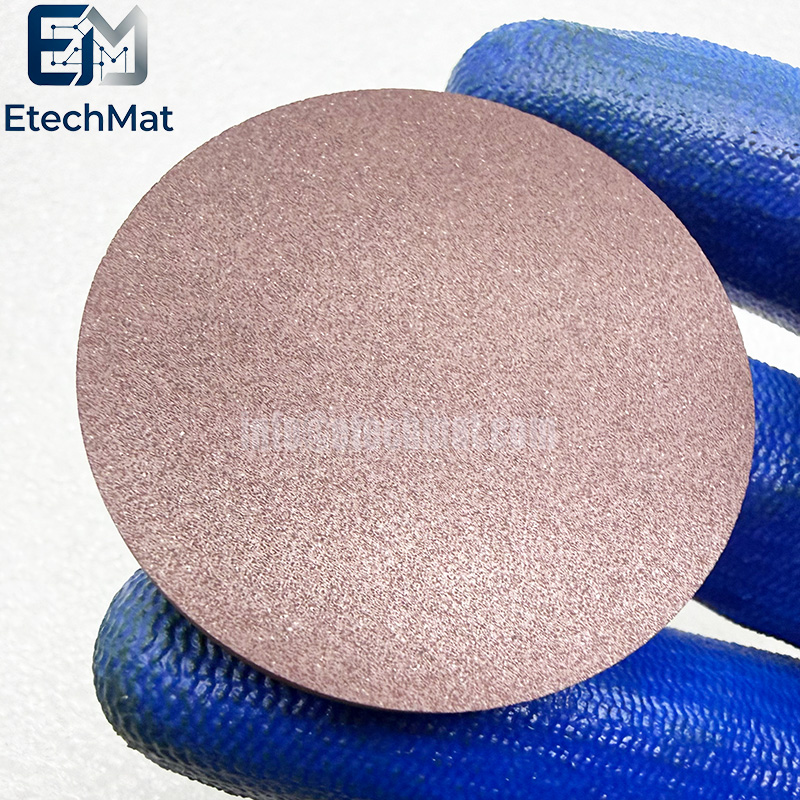
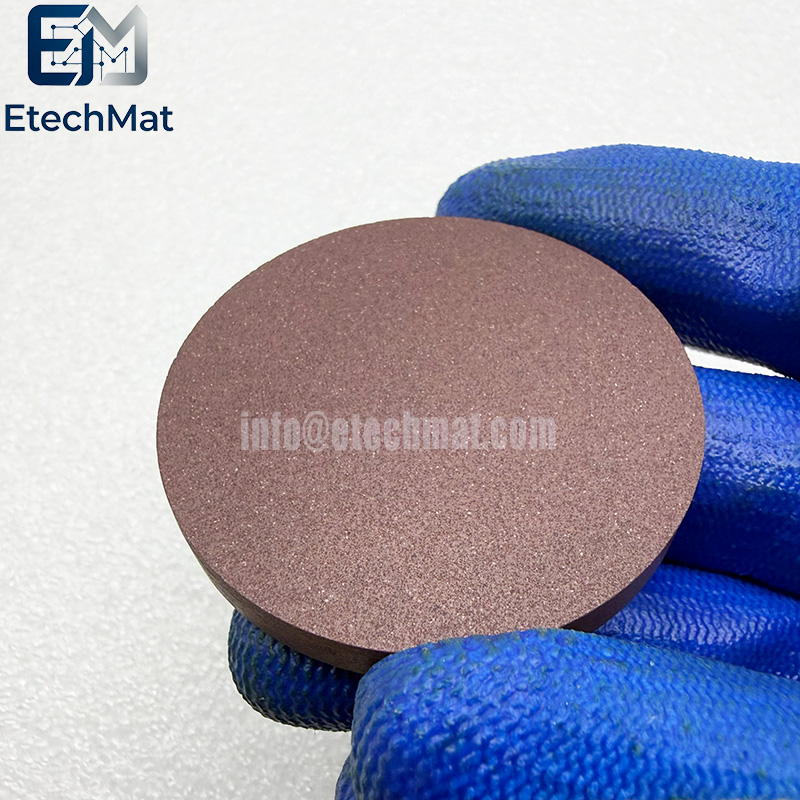
3N BiFe0.95Mn0.05O3 with 10 at% excess Bi Sputtering Target is designed for researchers working with complex oxide thin films where composition control can directly affect film quality and functional performance. With a BiFe0.95Mn0.05O3 composition and 10 at% excess Bi, this target provides a practical material source for ferroelectric, multiferroic, and advanced functional oxide research. Complex oxide deposition is rarely forgiving. Small changes in elemental balance can influence phase formation, crystallinity, film uniformity, and ultimately the electrical or magnetic behavior of the deposited layer. The controlled excess Bi composition is intended to help compensate for Bi volatility during deposition, giving researchers greater flexibility when optimizing sputtering conditions and thin-film growth. The 3N purity level provides a consistent starting material, while controlled composition and target quality help reduce unnecessary material-related variables between deposition runs. It is suitable for PVD and magnetron sputtering processes used in laboratory research and thin-film development. Available in customized dimensions and configurations, the 3N BiFe0.95Mn0.05O3 with 10 at% excess Bi Sputtering Target can be adapted to different equipment and experimental requirements. It offers researchers a more controlled route to studying BiFeO3-based materials with Mn modification and developing repeatable functional oxide films.
Features of 3N BiFe0.95Mn0.05O3 with 10 at% excess Bi Sputtering Target
Compensating for Bi volatilization: During high-temperature deposition, Bi in BiFeO₃ is highly prone to volatilization, leading to defects such as Bi and oxygen vacancies in the thin film. Adding an extra 10 at% of Bi compensates for this loss, helping the film maintain the correct stoichiometric ratio.
Reducing leakage current: Research indicates that Mn doping effectively lowers the leakage current of BiFeO₃-based devices and improves their durability. Furthermore, the compensation provided by excess Bi helps reduce defects caused by Bi deficiency, thereby further enhancing the film's insulating properties.
Enhancing ferroelectric performance: At optimized deposition temperatures, using this type of target material enables the fabrication of well-crystallized thin films with excellent ferroelectric properties. For instance, in relevant studies, epitaxial films grown at 780°C have demonstrated a remanent polarization (Pr) of up to 115 μC/cm².
Applications of 3N BiFe0.95Mn0.05O3 with 10 at% excess Bi Sputtering Target
Multiferroic research: Fabrication of thin films exhibiting ferroelectric and antiferromagnetic coupling for the study of magnetoelectric effects.
Ferroelectric memory: Achievement of high remanent polarization (e.g., 115 μC/cm²) and low leakage current through the control of Mn doping and Bi excess.
Piezoelectric and sensor devices: BiFeO₃-based thin films show potential for high-temperature piezoelectric applications.
Specifications of 3N BiFe0.95Mn0.05O3 with 10 at% excess Bi Sputtering Target
Circular Sputtering Targets (Diameter): 1.0”, 2.0”, 3.0”, 4.0”, 5.0”, 6.0”, up to 12”
Rectangular Sputtering Targets (Width x Length): 5” x 12”, 5” x 15”, 5” x 20”, 5” x 22”, 6” x 20”
Thickness: 0.125”, 0.25”
Shape: Disc/Rectangular
Bonding: Unbonded/Bonded
Purity: 3N(99.9%)
Target Usage and Precautions
Pre-sputtering (Burn-in): New targets require a pre-sputtering process before use to remove surface-adsorbed moisture, organic contaminants, and oxide layers; this is typically performed by gradually increasing the power.
Sputtering Atmosphere: The deposition atmosphere significantly affects thin-film quality. Taking BiFeO₃ as an example, the controlled addition of oxygen helps maintain the film's chemical stoichiometry and improves electrical properties; however, excessive oxygen reduces the deposition rate and results in a less dense film. An argon-to-oxygen ratio of 4:1 yields a uniform, dense film with optimal ferroelectric properties.
Substrate Temperature: Substrate temperature directly influences the film's crystallinity and phase purity; optimization based on the specific equipment used is required.