Previous
Next
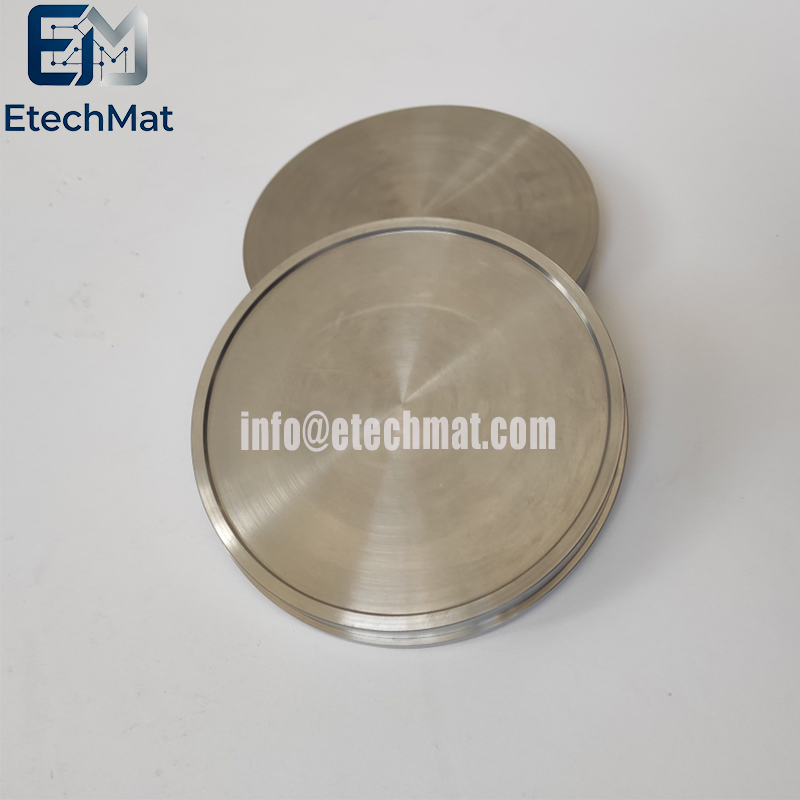
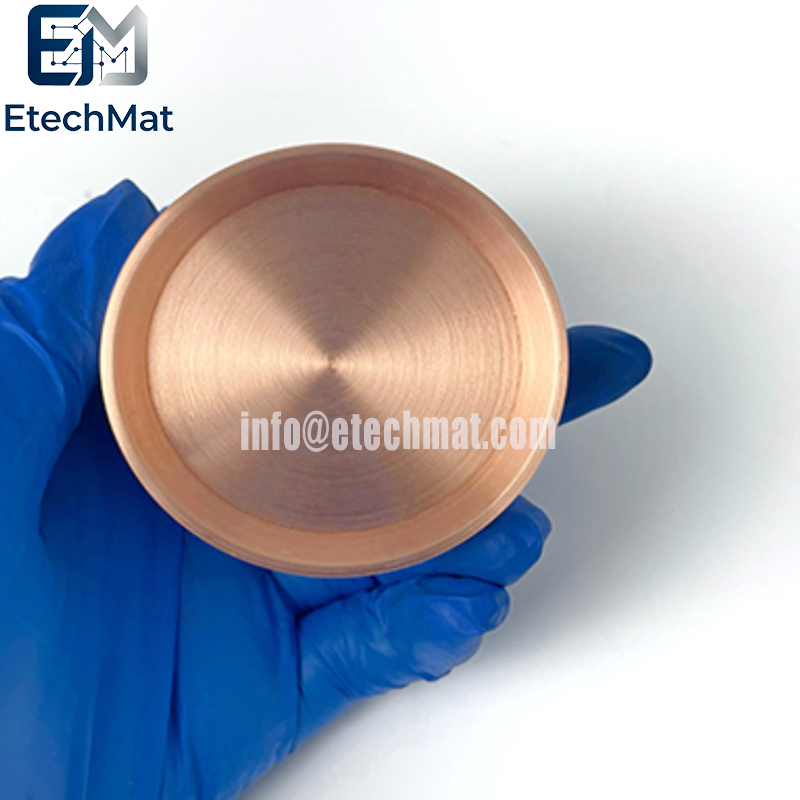
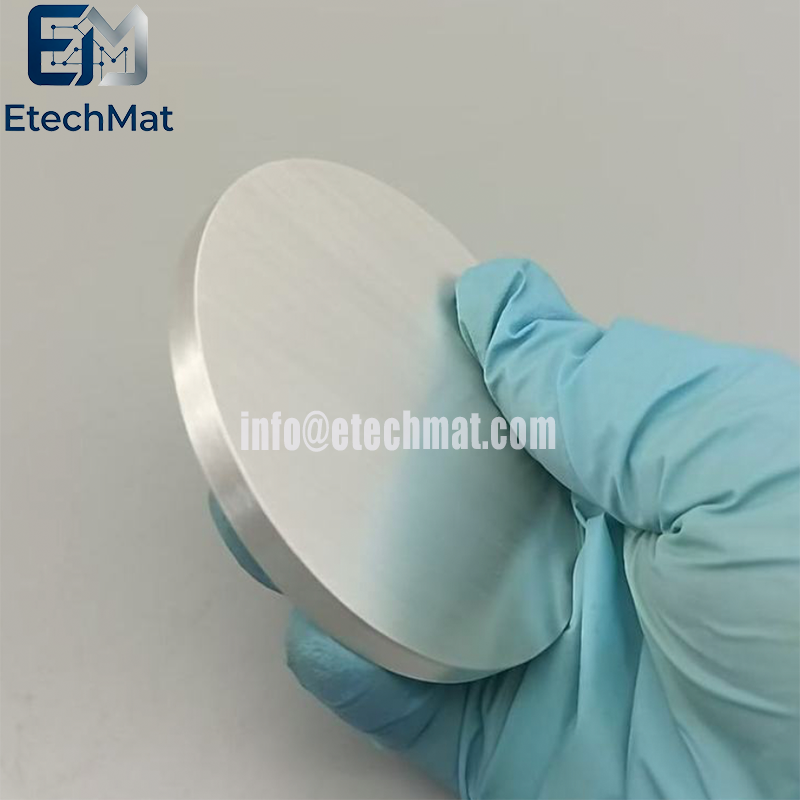
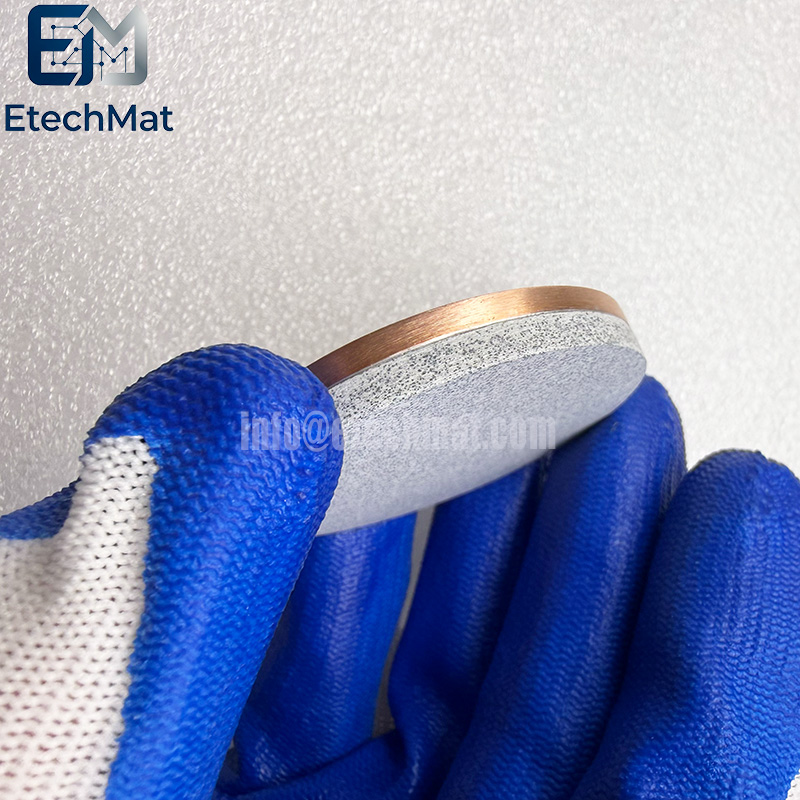
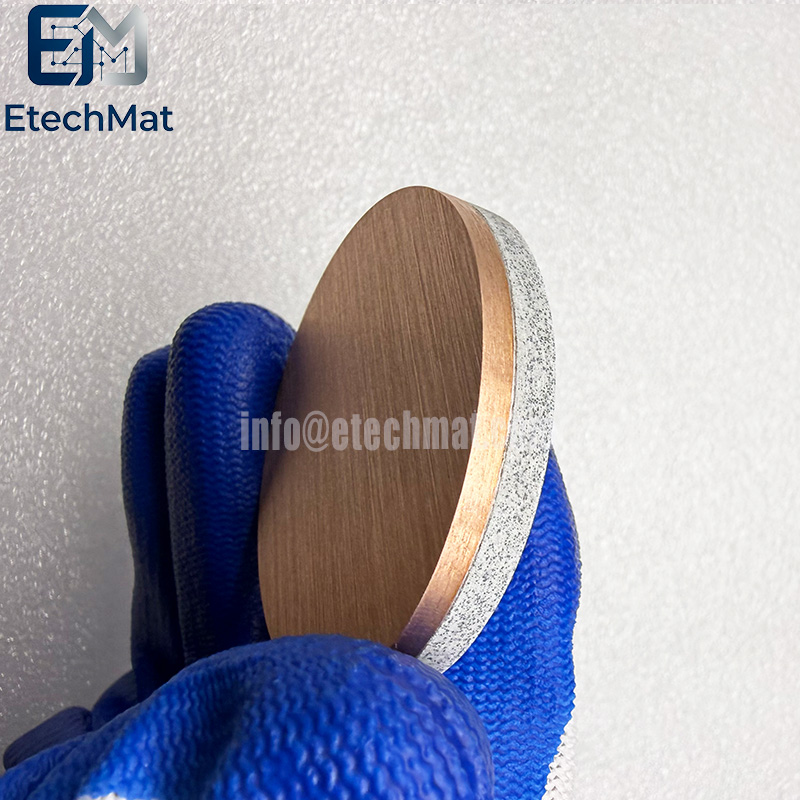
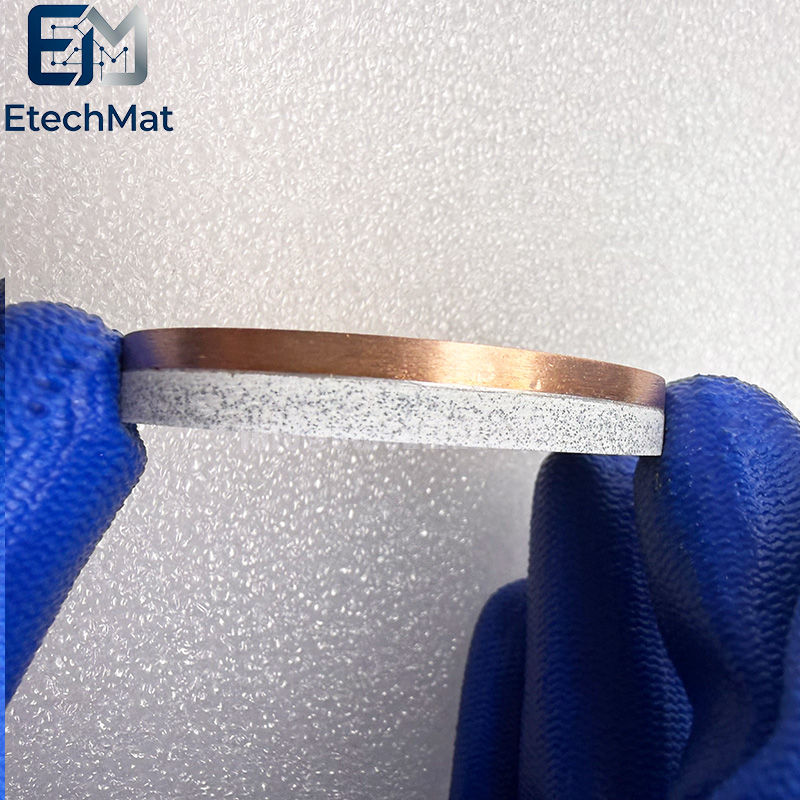
4N HfO2 +2%Ti Sputter Target
Description of 4N HfO2 +2%Ti Sputter Target
Mixed‑oxide sputter targets demand strict purity and phase consistency for high‑end dielectric film fabrication. Even minor trace impurities or uneven phase distribution may trigger unexpected arcing during RF sputtering, leading to shifting refractive indices and poor repeatability for precision optical and semiconductor experiments. Our 4N HfO₂ +2%Ti sputter target is produced from 4N high‑purity raw powders with precise proportioning and refined sintering workflows. Homogenised microstructure across the target surface delivers stable sputtering behaviour, generating high‑quality dielectric layers for optical multilayer coatings and micro‑device R‑D. Every target undergoes purity verification, composition sampling and detailed surface inspection before delivery. Optimised for standard laboratory and pilot‑scale RF sputtering systems. Well‑controlled material properties minimise arcing risks, supporting steady and reproducible thin‑film performance for your high‑precision coating development projects.
Features of 4N HfO2 +2%Ti Sputter Target
1. 4N hafnium oxide with 2% titanium
2. High‑purity Ti‑doped HfO₂ target
3. Ideal for high‑k dielectric layers
4. Excellent thermal and chemical stability
5. Dense ceramic for uniform deposition
6. Low impurity for device‑grade films
7. Suitable for RF magnetron sputtering
8. Custom sizes for R&D and production
9. Supplied with detailed composition analysis
10. Vacuum‑sealed for contamination protection
Applications of 4N HfO2 +2%Ti Sputter Target
Semiconductor Industry: Used in High-k Metal Gate (HKMG) technology to replace traditional SiO₂ gate dielectrics, addressing leakage current issues in advanced process nodes; also serves as the dielectric layer in ferroelectric random-access memory (FeRAM).
Optical Coatings: Leverages its high refractive index and low absorption across a broad spectral range to produce anti-reflective and high-reflectivity coatings for precision optical components such as laser mirrors and lithography system lenses.
High-Temperature Protective Coatings: Utilizes its high hardness and chemical inertness to provide wear-resistant and anti-corrosive coatings for high-temperature aerospace components and precision cutting tools.
Preparation Process
Raw Materials: Nuclear-grade hafnium ingots (Hf > 99.95%) or hafnium oxychloride (HfOCl₂) serve as the base material, with a titanium source added in a specific proportion.
Forming Methods: Powder metallurgy is commonly employed—mixing HfO₂ and TiO₂ powders according to the required ratio, followed by pressing and high-temperature sintering. Alternative preparation methods include hot isostatic pressing (HIP) or radio-frequency (RF) sputtering with a self-bonding process.
⚠️ Purchasing Considerations
Doping ratio and purity directly affect thin-film performance. When purchasing, verify the actual Ti doping level (wt% or at%), purity grade (e.g., 99.99%), and density specifications, and request a test report from the supplier. While there are many suppliers of pure HfO₂ targets on the market, it is recommended to contact target manufacturers directly to confirm supply capabilities for custom Ti-doped specifications.