Previous
Next
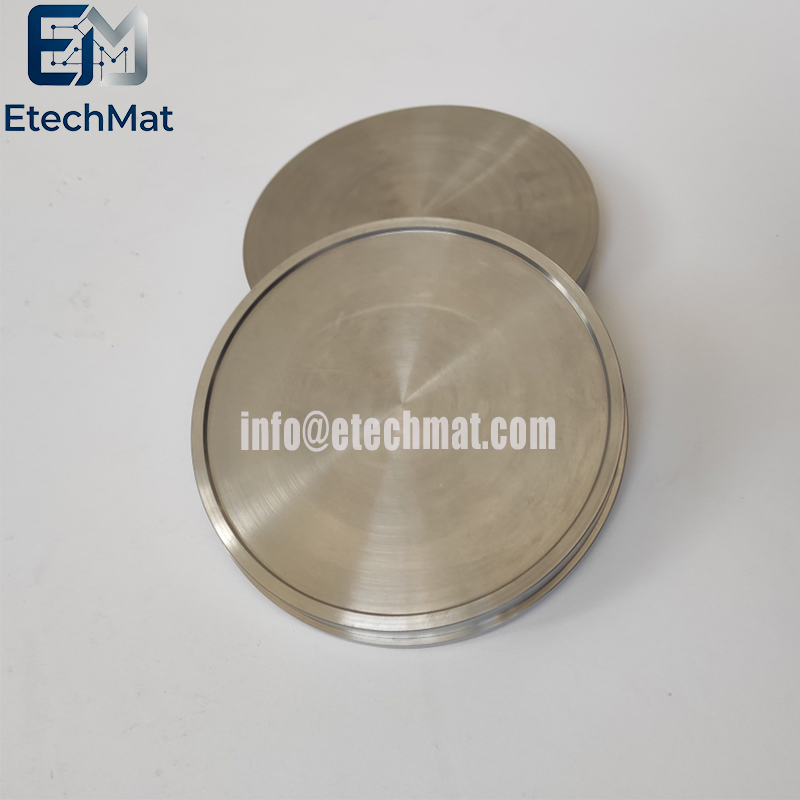
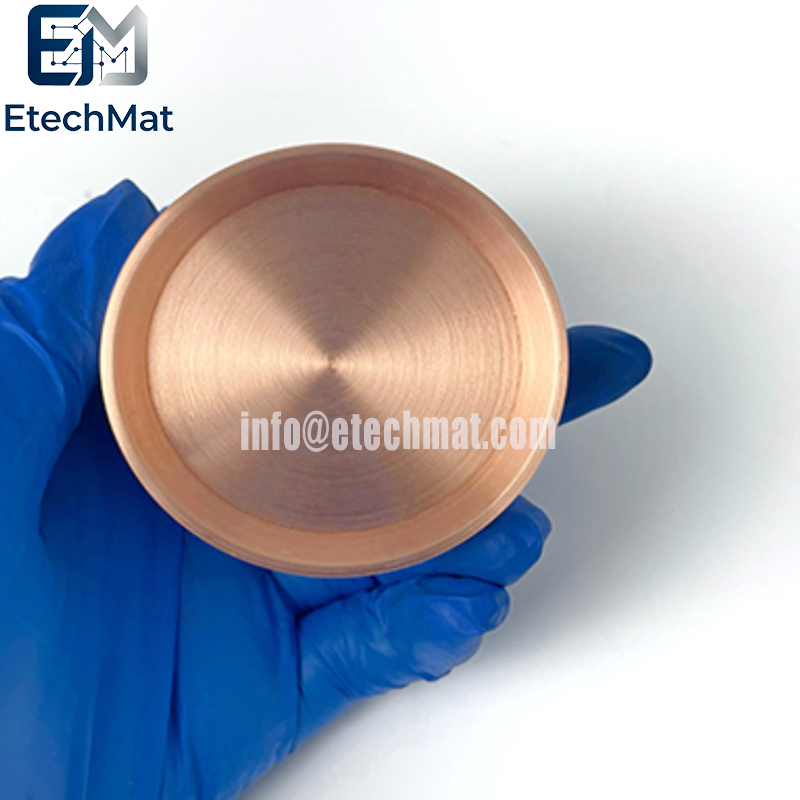
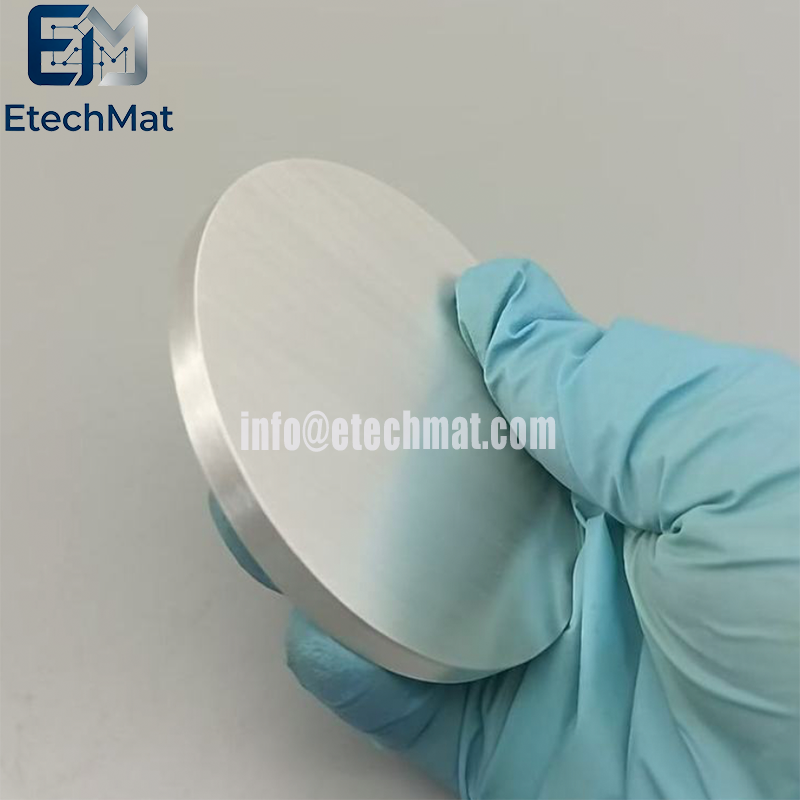
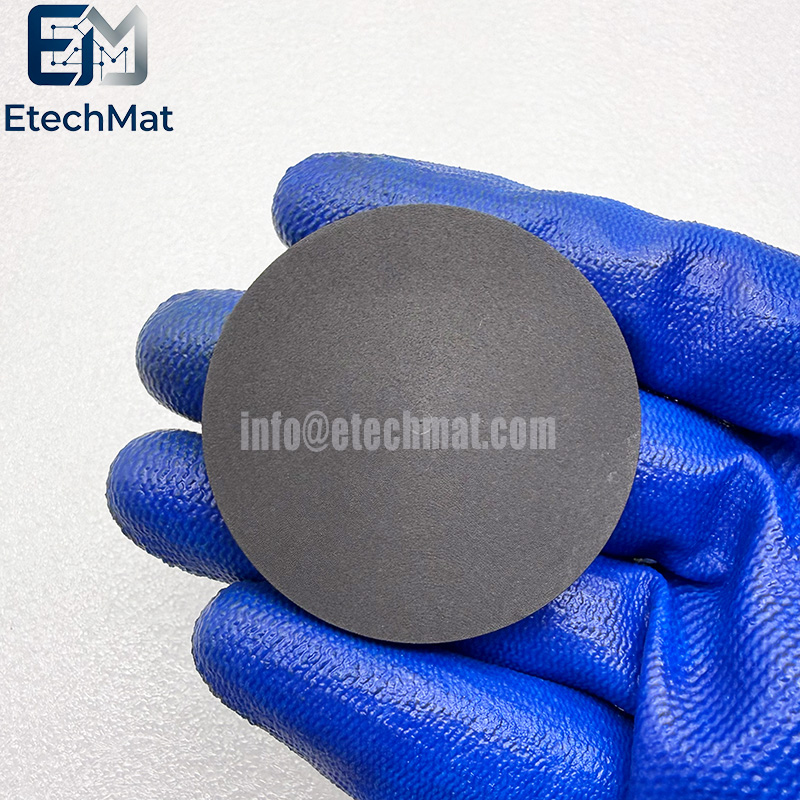
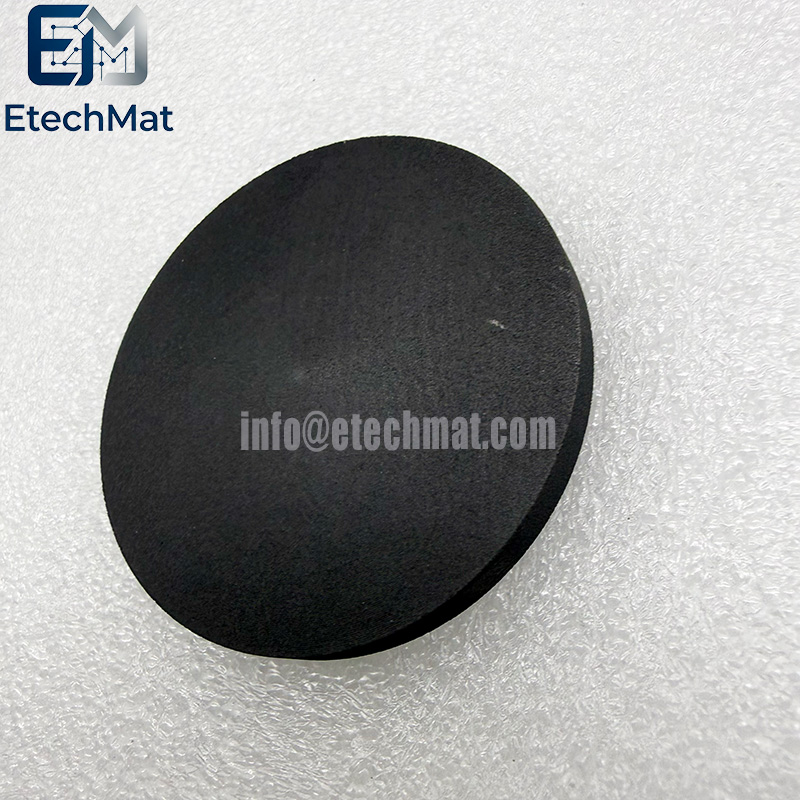
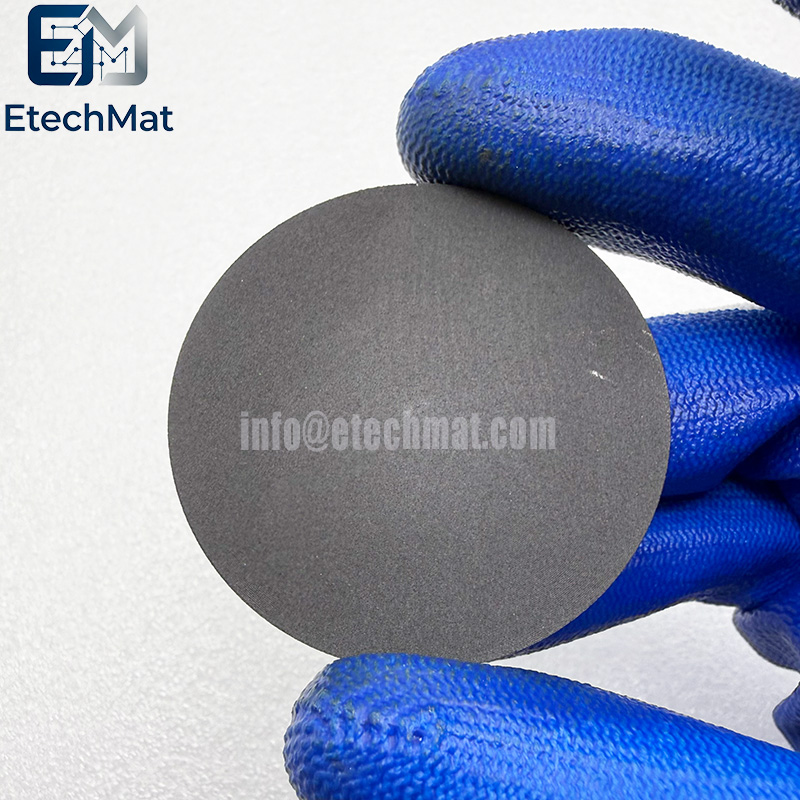
Fe2.5Co2.5GeTe2 at% Sputter Target
Description of Fe2.5Co2.5GeTe2 at% Sputter Target
Our Fe₂.₅Co₂.₅GeTe₂ at% sputter target tackles well‑known difficulties for multi‑element van‑der‑Waals magnetic material fabrication. Tellurium’s high volatility and internal elemental segregation frequently lead to stoichiometry deviation, which compromises thin‑film magnetic properties and creates unreproducible experimental outcomes. We utilise specialised alloy synthesis and homogenisation workflows to lock in the required atomic ratio throughout the target bulk. Optimised microstructure restrains element separation during sputtering, helping you obtain dependable film composition for 2D magnetism and spintronics laboratory investigations. Each unit undergoes thorough compositional characterisation before delivery. Standard dimensions are offered, and backing‑plate bonding simplifies installation inside your sputtering chamber. Custom profiles are supported for bespoke experimental setups. Avoid repeated failed deposition cycles driven by off‑ratio coatings, and redirect your lab resources toward making tangible progress on your core material‑science research work.
Features of Fe2.5Co2.5GeTe2 at% Sputter Target
1. FeCoGeTe alloy for quantum research
2. Ideal for topological insulator studies
3. Excellent magnetic anisotropy properties
4. Dense target for uniform deposition
5. Custom sizes for R&D systems
6. Low impurity for precise doping control
7. Suitable for RF magnetron sputtering
8. Supplied with composition certificate
9. Vacuum-sealed for oxidation protection
10. Reliable for spintronic device research
Applications of Fe2.5Co2.5GeTe2 at% Sputter Target
This type of Fe Co Ge Te target material is mainly aimed at the research and development of spintronic devices (such as magnetic random access memory MRAM), magnetic thin films, and new information storage directions. Magnetic target materials (cobalt iron type) are widely used in hard drives and magnetic reluctance storage devices, and the multi-component composition containing Ge/Te provides more possibilities for exploring new physical properties.
Specifications of Fe2.5Co2.5GeTe2 at% Sputter Target
Circular Sputtering Targets(Diameter): 1.0”2.0”3.0”4.0”5.0”6.0” up to 21”
Rectangular Sputtering Targets(Width x Length): 5” x 12”5” x 15”5” x 20”5” x 22”6” x 20”
Thickness: 0.125”, 0.25”
Shape: Disc/Rectangular
Bonding: Unbonding/Bonding
Purity: 2N5(99.5%).
Preparation and Process
Preparation method: Alloy target materials are usually made by vacuum melting, powder metallurgy, or hot pressing sintering, with a purity requirement of 99.95% or higher, and strict control of impurities such as oxygen and chlorine to prevent lattice distortion and film defects.
Sputtering pretreatment: Before using a new target material, a "burn-in" step is required - gradually increasing the power in vacuum to bombard the surface of the target material, removing adsorbed moisture, organic matter, and the surface oxide layer; otherwise, it will directly affect the quality of the film.
⚠️ Fe₂. ₅Co₂. ₅ GeTe ₂ (at%) Sputtering Target Usage Tips
Before using the new target material, burn-in treatment is required to gradually increase the power to remove surface adsorbed moisture, organic matter, and oxide layer; otherwise, it will affect the quality of the film. Burn-in semiconductor applications typically take 1 to 6 hours.
The sedimentation effect is affected by parameters such as vacuum degree, sputtering power, gas ratio, etc. The specific formula needs to be adjusted in conjunction with the equipment.
It is recommended to prioritize using radio frequency (RF) sputtering mode for better adaptability to ferromagnetic materials during sputtering; If DC sputtering is used, a strong magnetic field cathode design is required.
The density and microstructure of the target material directly affect the uniformity and sputtering rate of the thin film. When purchasing, attention should be paid to the density index.
If this is for scientific research or special devices, it is recommended to directly contact the target material supplier to confirm the precise atomic ratio and tolerance range of Fe: Co: Ge: Te, as there may be compositional deviations between different batches.