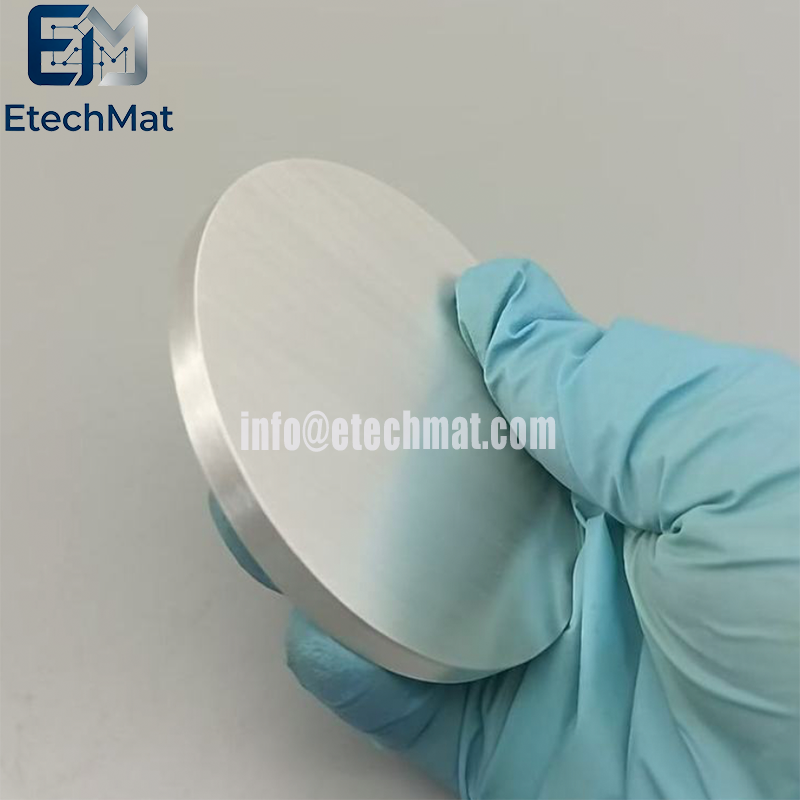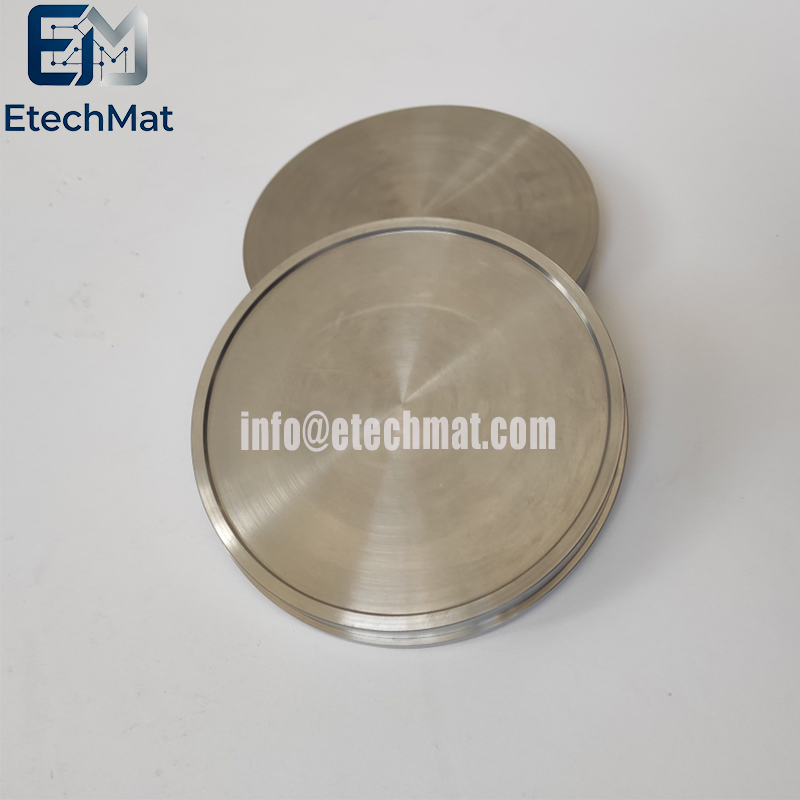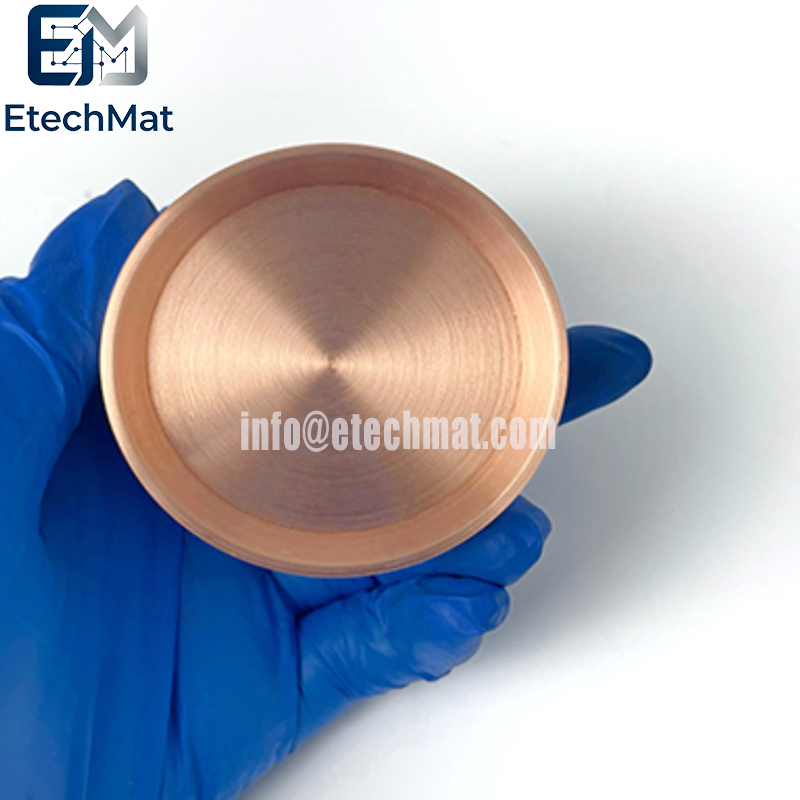
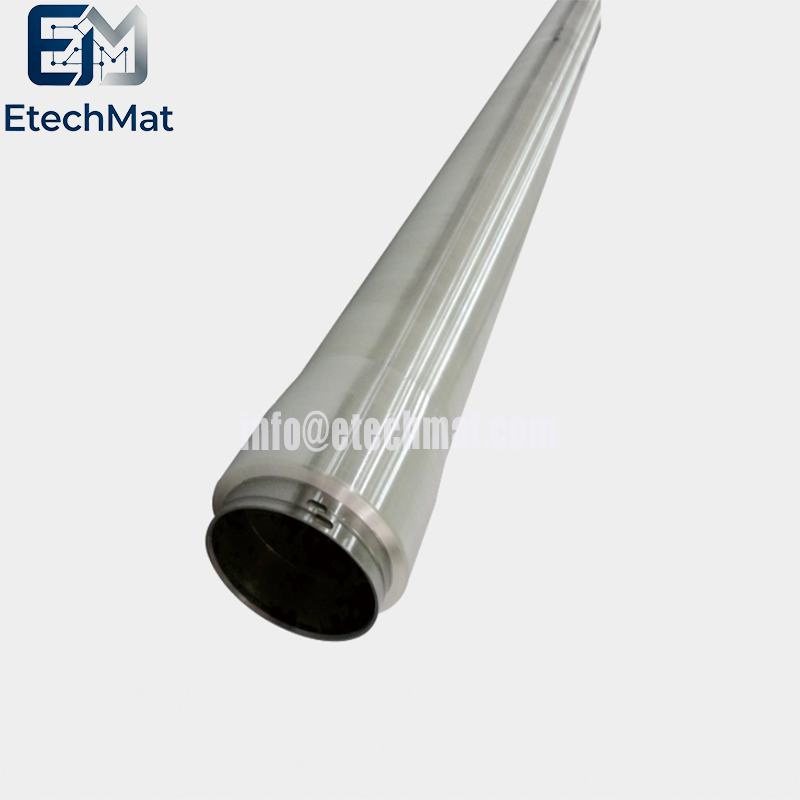
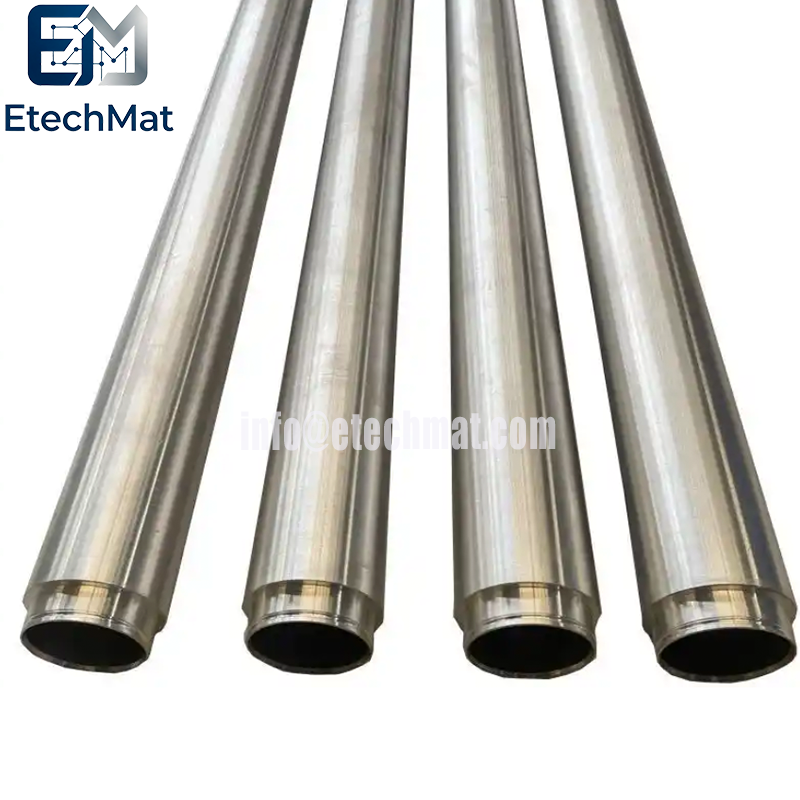
Sputtering targets can be classified by shape as planar or rotary. Planar targets—which may be rectangular, square, or circular and possess a specific thickness—are formed by bonding a target blank to a backing plate; during sputtering, the target blank and the substrate are positioned parallel to each other, creating an electromagnetic field between them. Rotary targets are tubular in shape, and during sputtering, they generate an electromagnetic field directed toward the substrate.
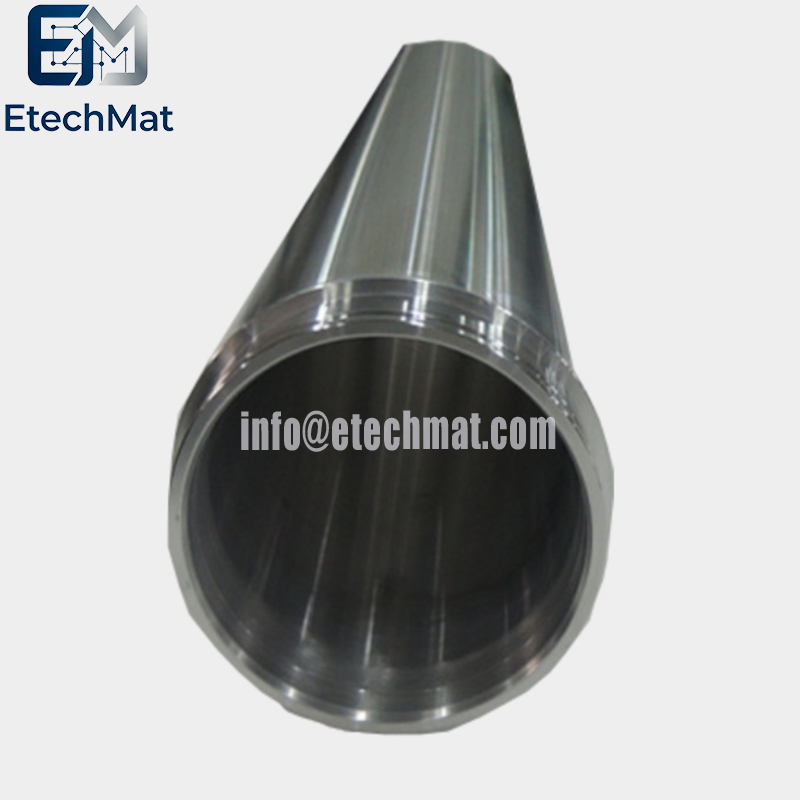
1. Higher Material Utilization
Rotating targets wear evenly across the surface as they rotate, raising material utilization to typically 70%–90%. Planar targets only sputter from a fixed surface, forming "grooves" or "pits" that cause uneven wear, with utilization usually around 30%–40%. For expensive target materials (such as precious or rare earth metals), rotating targets can significantly cut costs and improve economic returns.
2. Better Sputtering Uniformity
A rotating target keeps turning during operation, so every part of the surface is evenly exposed to the plasma, producing a more uniform sputtering rate. This is a clear advantage for applications that demand high film uniformity, such as displays and semiconductor processes. Planar targets tend to produce uneven film thickness from localized over-sputtering, especially on large substrates or in continuous production.
3. Longer Service Life
Because a rotating target wears more evenly, it usually lasts longer than a planar target. Under the same working conditions, this means fewer replacements, less equipment downtime, and higher production efficiency. For continuous processes like large-area coating and roll-to-roll coating, rotating targets significantly extend production cycles and lower maintenance costs.
4. Less Target "Poisoning"
In reactive sputtering (such as sputtering metal oxides or nitrides in oxygen or nitrogen), the target surface can be covered by reactive gas and form a non-conductive layer — the so-called "target poisoning." The constant rotation of a rotating target reduces this effect, making it easier to keep the surface conductive and avoiding a drop in sputtering efficiency. Planar targets are more prone to unstable sputtering from poisoning, especially in oxide or nitride deposition, where the advantage of rotating targets is more obvious.
5. Suited to Large-Area and High-Volume Production
Rotating targets are especially suited to large-area coating, such as architectural glass, display panels, and photovoltaic cells. Their long design allows greater coverage and reduces the need to splice multiple targets. In high-volume production, the service life and material utilization advantages of rotating targets can significantly lower production costs and raise efficiency.
6. Easier and Safer Target Replacement
Planar targets wear unevenly and need frequent replacement. Rotating targets last longer, so they are replaced less often, reducing the difficulty and risk of replacement and causing less wear on equipment. In addition, the long replacement cycle has less impact on the whole production line, helping keep production stable.
7. Higher Film Quality
Films sputtered from rotating targets are denser and more uniform, making them suitable for applications with very high film quality requirements, such as high-end electronic and semiconductor devices. This is because rotating targets effectively reduce defects caused by uneven surface sputtering, improving film quality and consistency.
Summary
Compared with planar targets, rotating targets offer higher material utilization, longer service life, more uniform sputtering, and better adaptability to large-area and high-volume production. This makes them an important choice in modern thin-film deposition, especially for large-area coating, continuous production, and high-end electronic device manufacturing.