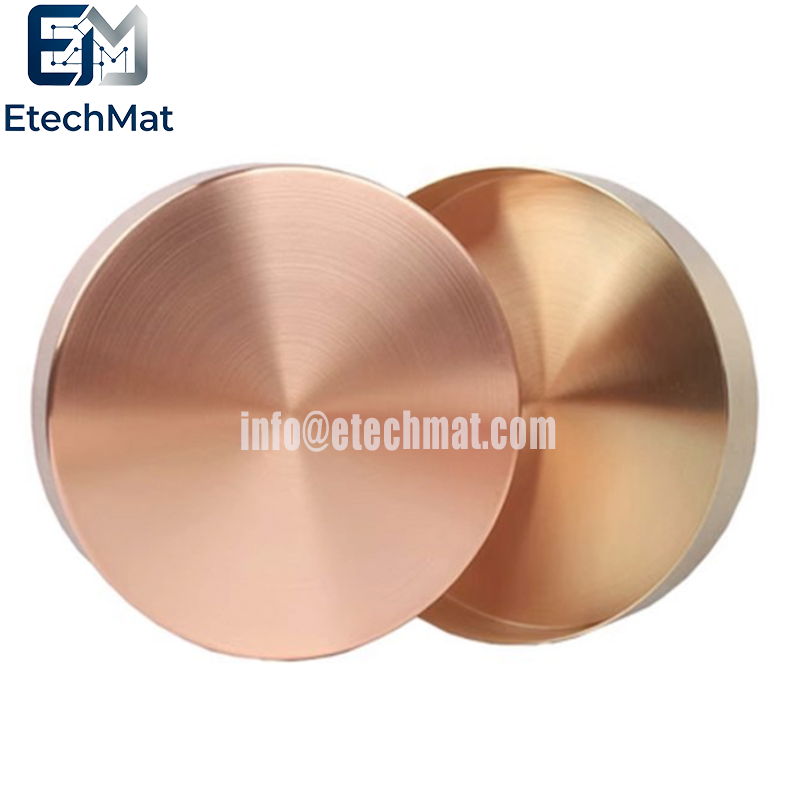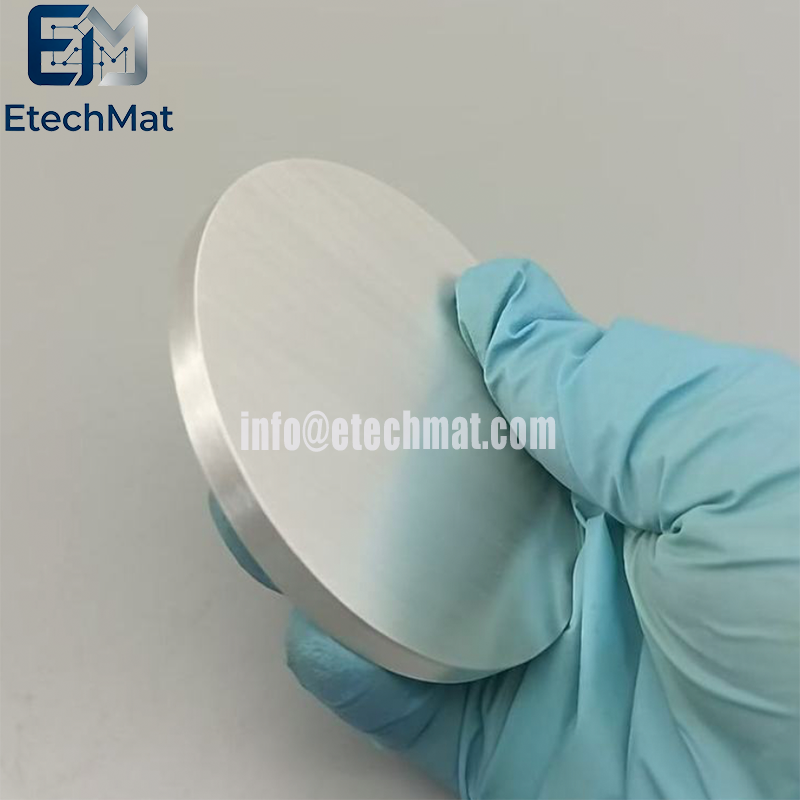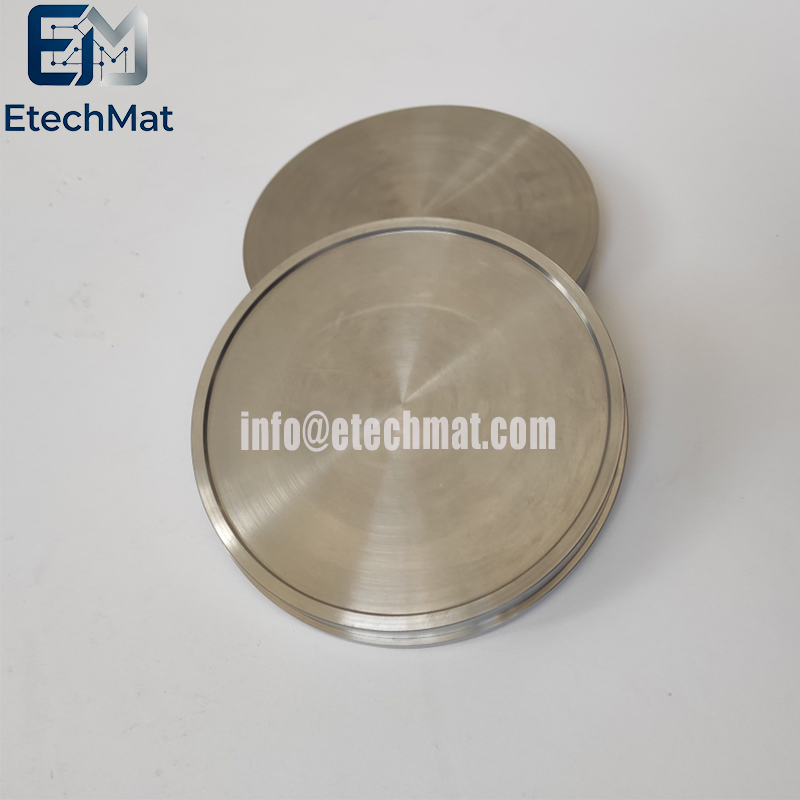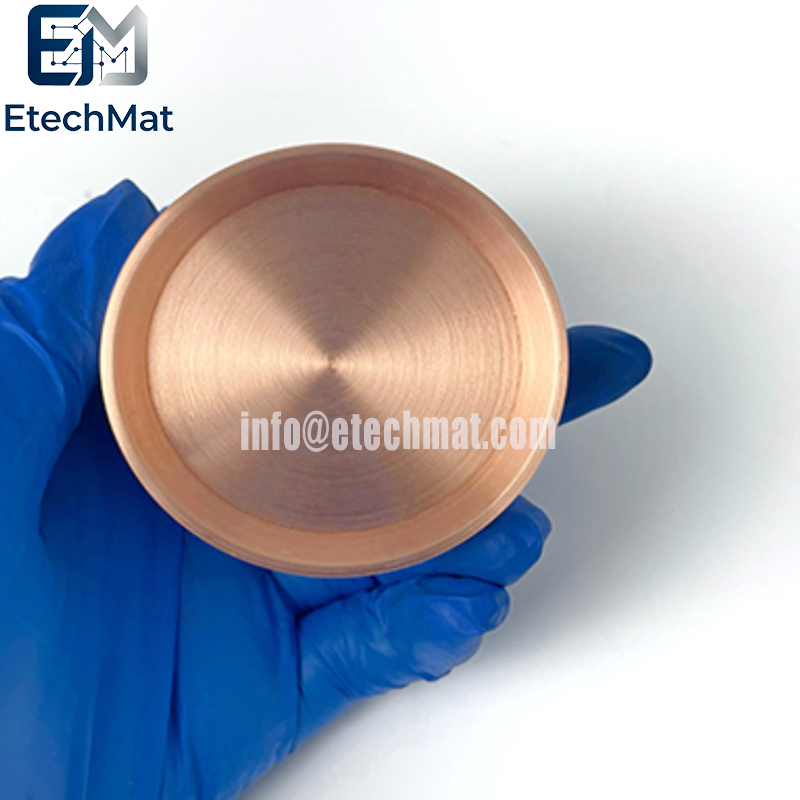
A semiconductor's internal channels are made of tens of thousands of meters of metal wiring, and sputtering targets are the key consumable material for making that wiring. Apple's A10 processor, for example, has a chip the size of a fingernail covered with tens of thousands of meters of metal lines. These lines must be sputtered onto high-purity wafers and then etched to form individual wires. Sputtering targets are at the core of semiconductor wafer manufacturing, and chips place very high demands on them — purity is usually above 99.999%.
1. What do targets do inside a chip?
- Build metal wiring: Billions of transistors in a chip rely on metal thin films to connect and pass signals. Metals like aluminum and copper sputtered from targets are the source material for this "neural network."
- Act as a barrier layer: In advanced processes, copper wiring needs a "wall" to keep metal from diffusing into the silicon. Tantalum targets do exactly this, and they're almost standard below 28nm.
- Cover packaging: Beyond wafer fabrication, the metal wiring layer in chip packaging also depends on targets.
2. Key Details
- Extremely high purity: Semiconductor targets start at 4N (99.99%). Below 14nm, copper targets must reach 6N (99.9999%) or higher, and below 7nm, metal impurities must be controlled at the parts-per-billion level.
- Different materials for different processes: Above 110nm, aluminum wiring pairs with titanium barriers. Below 110nm, copper wiring pairs with tantalum barriers. 12-inch wafers mostly use copper and tantalum, while 8-inch and below mostly use aluminum and titanium.
- Small cost share, big impact: Targets make up only about 3% of cost in both wafer fabrication and packaging. But their quality directly determines the uniformity of the conductive and barrier layers, which in turn affects chip speed and stability.
3. The Relationship Between Targets and the Computing Power Industry
The AI computing boom is driving demand for sputtering targets. Rapid growth in intelligent computing power is expanding advanced-node chip capacity, which naturally increases consumption of high-end targets. Tantalum targets, for example, are seeing growing adoption in AI servers and advanced processes.
Overall, as chips are used more and more widely and market demand grows, demand for the four mainstream thin-film metals — aluminum, titanium, tantalum, and copper — will rise as well. Today, none of these four materials has a replacement, either technically or economically, so there's no risk of them being displaced.