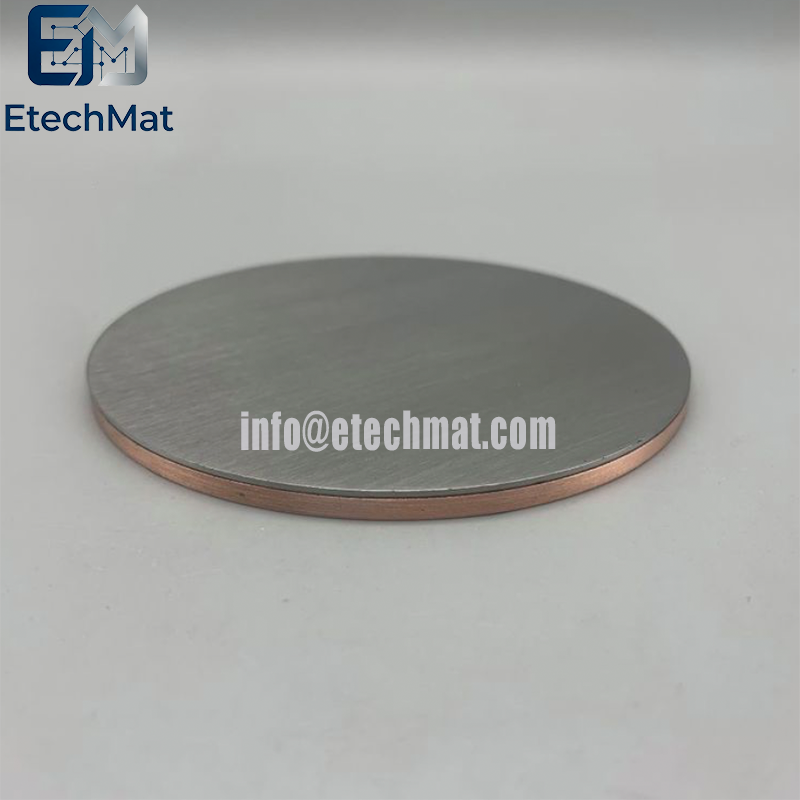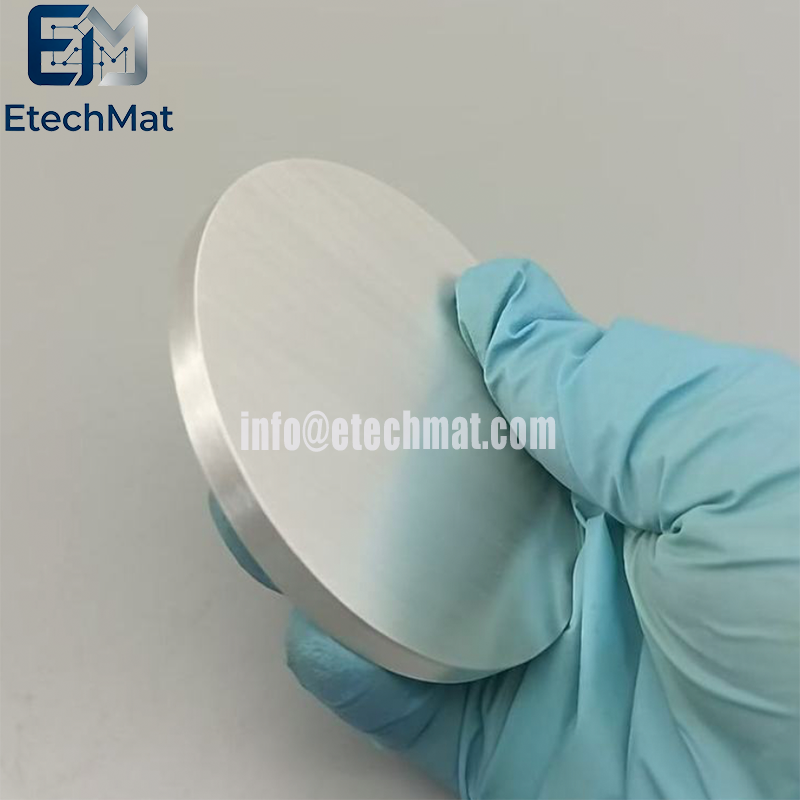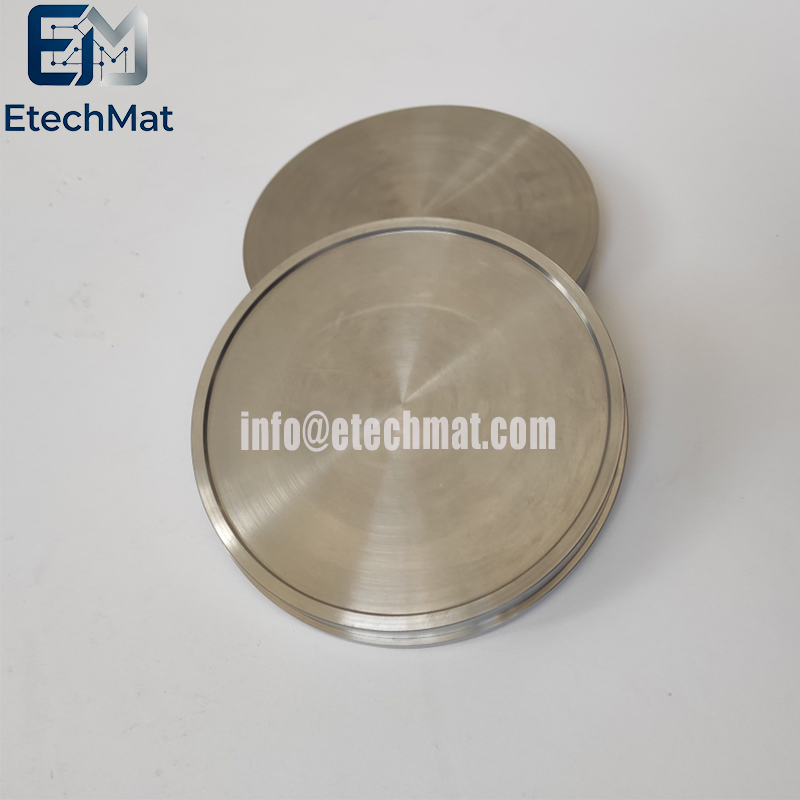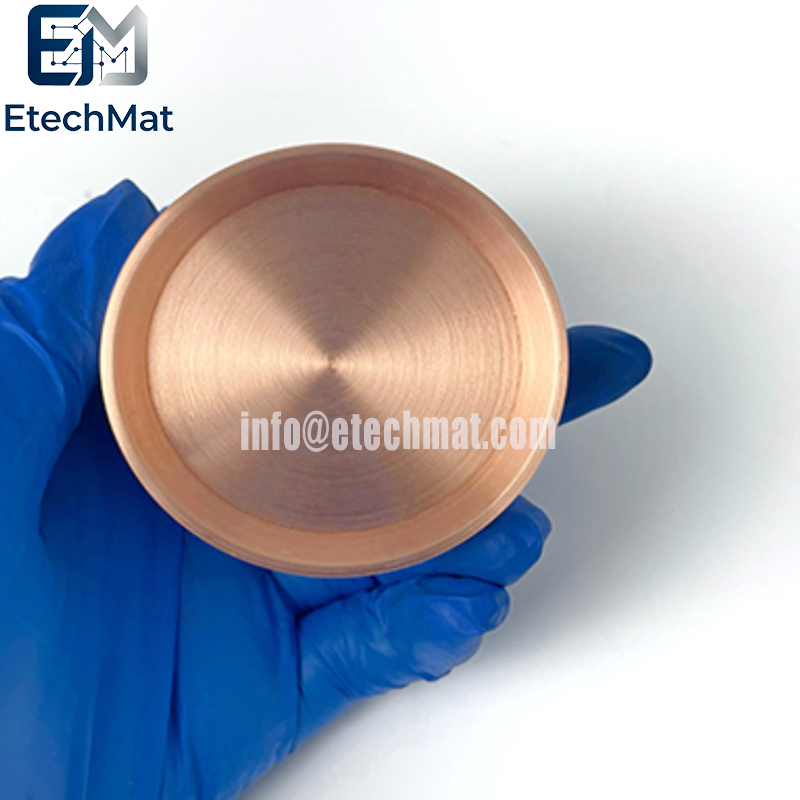
Sputtering is a physical vapor deposition (PVD) technique. In this process, ions generated by an ion source are accelerated and focused in a vacuum to form a high-speed ion beam that bombards a solid surface; the ions exchange kinetic energy with the atoms on the surface, causing those atoms to be dislodged and subsequently deposited onto a substrate. The integrity and quality of the bond between the target material and the backing plate significantly influence the target's performance and cost; consequently, the bonding process is subject to stringent requirements. So, how should this bonding be carried out?
1. Main Bonding Methods for Targets
1.1 Adhesive Bonding
Silver adhesive bonding is a low-cost technique. It uses a special thermally and electrically conductive epoxy to bond the target to the backing plate. This method requires surface treatment of both the target and the backing plate. Bonded targets have low residual stress and are easy to rework. However, the thermal resistance at the joint is relatively high, which limits the power density and deposition rate of the sputtering target. This method does not perform well.
1.2 Solder Bonding
Compared with silver adhesive bonding, solder bonding has lower thermal resistance, so it can run at higher deposition rates. A common solder filler is indium. It has high thermal conductivity, a relatively low melting point, and a low elastic modulus, which reduces residual stress after bonding. Its low melting point also makes rework easier and allows the backing plate to be reused. The bonding process can be done in air, which lowers cost. However, indium does not easily penetrate the copper backing plate or the target, so the target can fall off. Ultrasonic waves are needed to help the indium penetrate both the backing plate and the target. This has become a common, efficient, and low-cost method in recent years.
1.3 High-Temperature Welding
High-temperature welding combines brazing and diffusion welding. It requires temperatures above 500°C and a vacuum or controlled-atmosphere furnace. Brazing works by melting a brazing alloy at the joint to form the bond. Diffusion welding uses no filler; instead, high pressure and heat bring the backing plate and target to a temperature where they inter-diffuse. This structure has low thermal resistance, usually close to or lower than that of the parent alloy, and allows higher power density. However, this method is costly.
2. Target Bonding Process
2.1 Before bonding, the surfaces of the target and backing plate need to be pre-treated (cleaning off debris and dust).
2.2 Place the target and backing plate on the welding table and heat them to the bonding temperature (usually 180°C).
2.3 Metallize the target and backing plate (apply indium with ultrasonics).
2.4 Bond the target and backing plate together.
2.5 Adjust the bonding position (place a weight block on top of the target).
2.6 Cool down and carry out post-processing.