There is a wide variety of sputtering targets; how can they be categorized based on different classification methods?
1. Classification by Material Composition
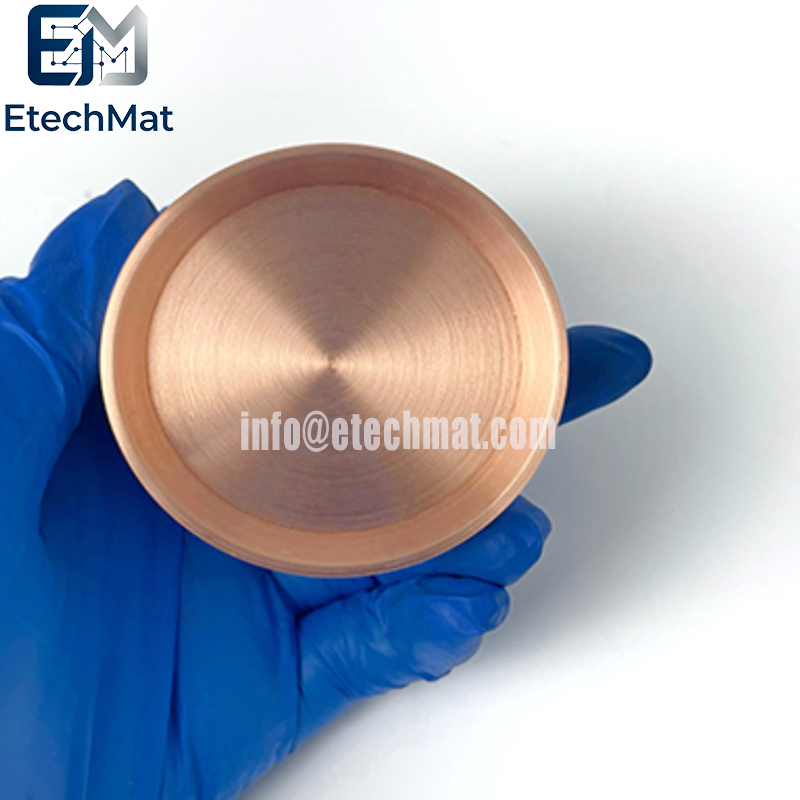
1.1 Metal targets: These consist of single-element metals such as copper (Cu), aluminum (Al), titanium (Ti), molybdenum (Mo), and tungsten (W). They are used in applications such as conductive thin films and metal interconnect layers within the electronics industry.
1.2 Alloy targets: These are composed of two or more metals—examples include aluminum-copper (Al-Cu), aluminum-silicon (Al-Si), and cobalt-platinum (Co-Pt). Alloy targets are widely used in conductive thin films, magnetic materials, and wear-resistant coatings, meeting diverse functional requirements.
1.3 Ceramic targets: These typically consist of oxides, nitrides, carbides, or sulfides, such as indium tin oxide (ITO), aluminum oxide (Al₂O₃), titanium nitride (TiN), and tungsten carbide (WC). They are commonly used in optical thin films, wear-resistant coatings, and transparent conductive thin films.
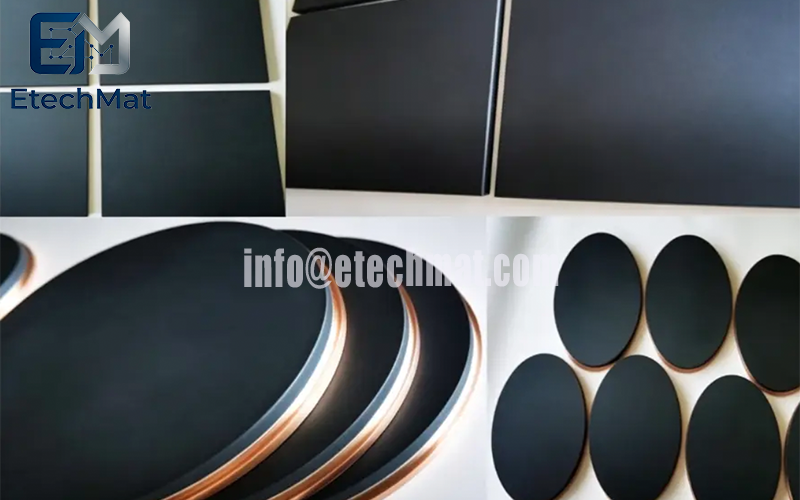
1.4 Composite material targets: These are generally composed of a combination of metal and ceramic materials—for instance, La-Sr-Co-O series composite oxides. They find extensive application in high-temperature superconducting materials, magnetic materials, fuel cells, and specialized functional thin films.
2. Classification by Target Material Form and Structure
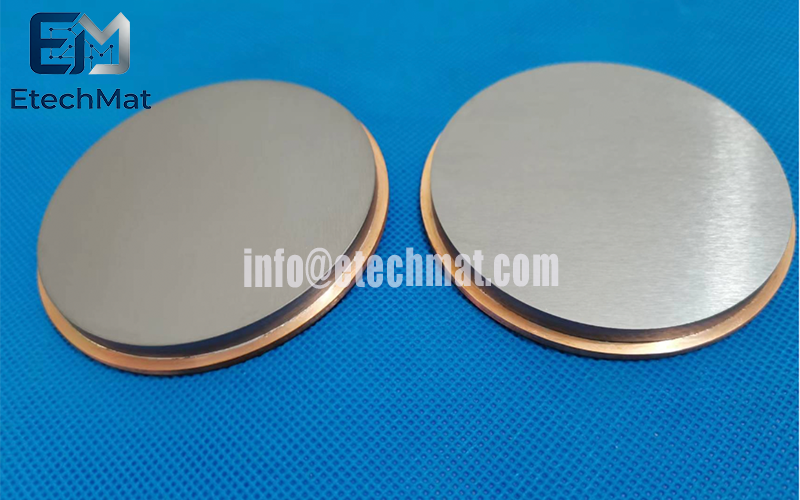
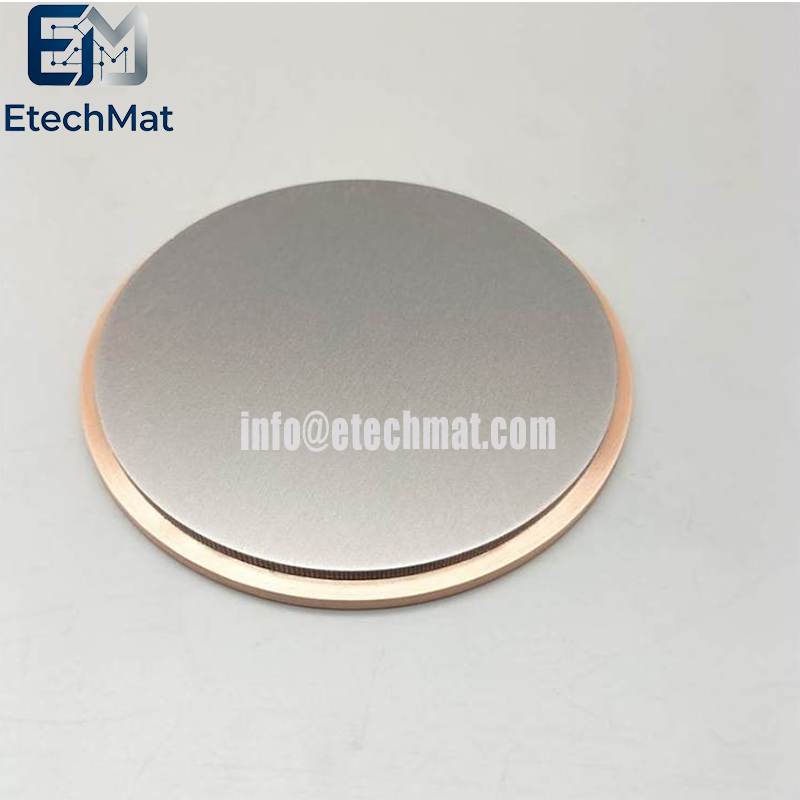
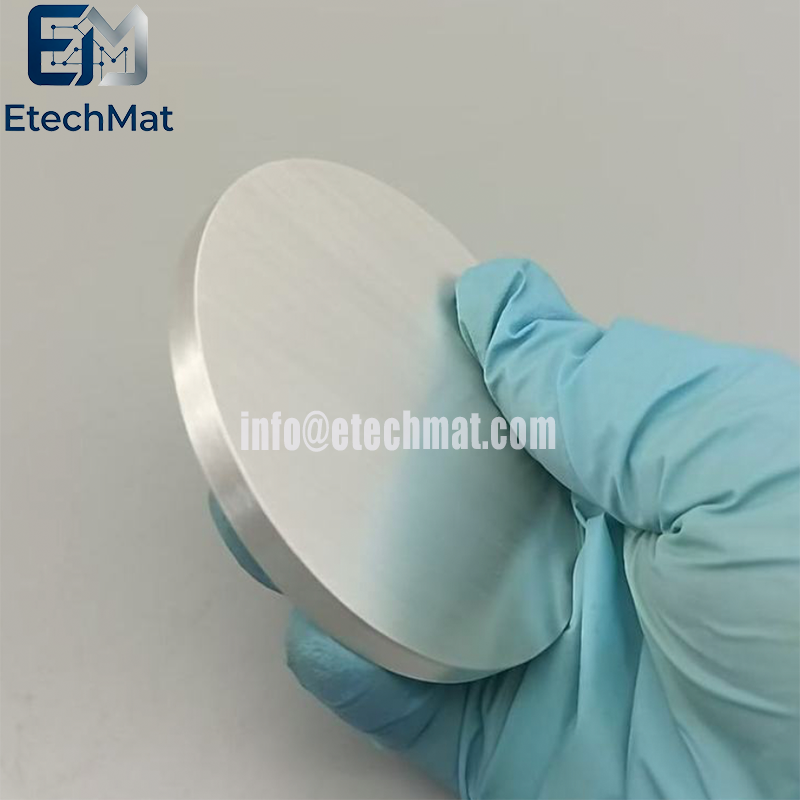
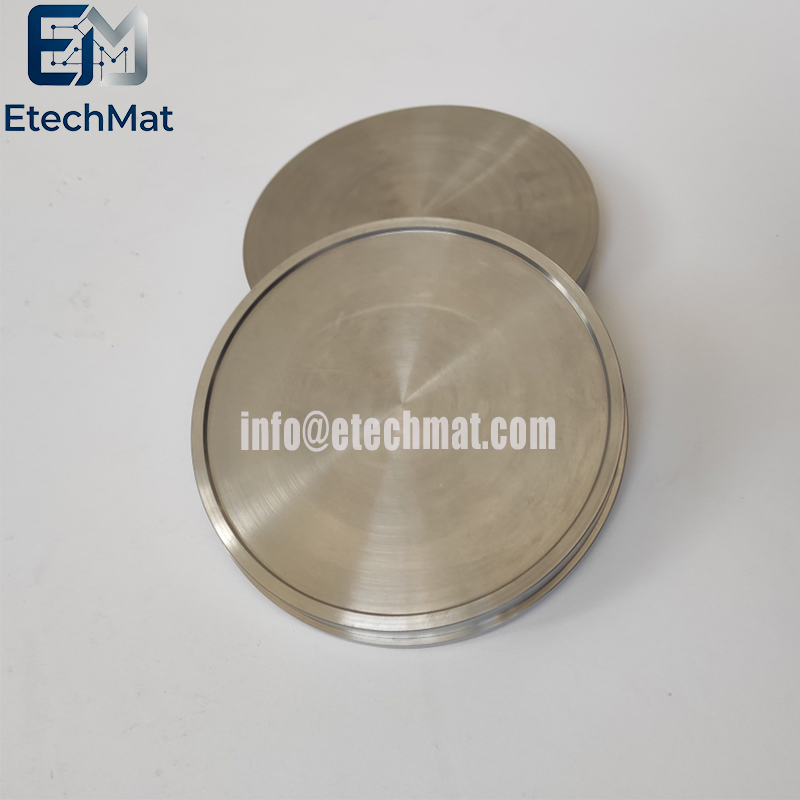
2.1 Solid targets: Common sputtering targets are typically solid—usually in block or sheet form—making them compatible with various sputtering systems and easy to process and use.
2.2 Powder targets: These are targets formed by pressing powdered materials; this method is used for materials that are difficult to fabricate into solid blocks. For example, certain refractory metal oxides or compounds are often produced as powder targets through sintering.
2.3 Thin-film targets: These are ultra-thin targets required for specific applications; characterized by minimal thickness, they are suitable for low-temperature thin-film deposition or specialized coating processes.
2.4 Multilayer targets: Composed of stacked layers of different materials, these are suitable for producing composite thin films and multifunctional coating layers. For instance, metal-ceramic composite targets can be created using a multilayer structure.
3. Classification by Application Field
3.1 Targets for Electronics and Semiconductors: Used for metal interconnect layers, conductive layers, and gate materials in integrated circuits. Examples include metal targets such as aluminum (Al), copper (Cu), chromium (Cr), and titanium (Ti). Ceramic targets, such as silicon dioxide (SiO₂) and silicon nitride (Si₃N₄), are used for insulating layers in electronic components.
3.2 Targets for Optics: Used to fabricate optical thin films, such as reflective films, lens coatings, and optical filters. Common materials include titanium dioxide (TiO₂), zirconium dioxide (ZrO₂), and indium tin oxide (ITO). Optical targets enable optical components to meet functional requirements by controlling properties such as light transmission and reflectivity.
3.3 Targets for Decorative Coatings: Applied to the surfaces of items like watches, jewelry, and construction materials to provide both aesthetic appeal and corrosion resistance. Common materials include titanium nitride (TiN), zirconium nitride (ZrN), and chromium nitride (CrN). Decorative coating targets achieve desired visual effects by adjusting the color and brightness of the film layer.
3.4 Targets for Energy and Environmental Protection: Primarily used in solar cells, fuel cells, and energy storage devices. Typical materials include molybdenum trioxide (MoO₃), cadmium sulfide (CdS), and copper indium gallium selenide (CIGS). These targets are used to fabricate components such as light-absorbing layers for solar cells and electrode thin films for fuel cells.
3.5 Targets for Magnetic Materials: Used to manufacture magnetic recording materials, magnetic storage devices, and magnetic sensors. Common materials include cobalt (Co), cobalt ferrite (CoFe₂O₄), and nickel-iron (NiFe). The magnetic properties of these targets are controlled through the thin-film fabrication process and are crucial for magnetic data storage and sensor performance.
4. Classification by Sputtering Process
4.1 Direct Current (DC) Sputtering Targets: Suitable for metals with good conductivity and certain conductive ceramics, such as aluminum, copper, and chromium. DC sputtering is typically used for large-area thin-film deposition; it offers high sputtering rates and is well-suited for large-scale applications in the electronics industry.
4.2 Radio Frequency (RF) Sputtering Targets: Suitable for non-conductive or high-resistivity materials, such as insulating ceramic targets (e.g., SiO₂, Al₂O₃). RF sputtering is ideal for producing high-quality thin films, including insulating layers and optical coatings.
4.3 Reactive Sputtering Targets: In reactive sputtering, the target material undergoes a chemical reaction with a reactive gas (such as oxygen, nitrogen, or methane) to form oxide, nitride, or carbide thin films. Examples include using a chromium (Cr) target in a nitrogen atmosphere to produce CrN films, or a titanium target in an oxygen atmosphere to produce TiO₂ films.
4.4 Magnetron Sputtering Targets: The magnetron sputtering process applies to both magnetic and non-magnetic materials; targets can be made of metals, alloys, or ceramics. Examples include magnetic materials like iron, cobalt, and nickel, as well as non-magnetic materials such as titanium, aluminum, and copper. Magnetron sputtering is widely used in the fields of electronics, optics, and decorative coatings.
5. Classification by Physical Properties of the Target
5.1 High-Purity Targets: Applications requiring high thin-film purity (such as semiconductors and integrated circuits) necessitate the use of high-purity targets, typically with purity levels of 99.99% or higher. These targets have low impurity content, enhancing film quality and making them suitable for high-precision electronic devices and optical thin films.
5.2 Low-Purity Targets: Low-purity targets are suitable for applications where strict film purity is not required, such as decorative coatings or certain wear-resistant coatings. These targets are lower-cost, making them ideal for large-scale industrial applications where cost control is a priority. 5.3 High-melting-point targets: Materials such as molybdenum (Mo), tungsten (W), and niobium (Nb) are suitable for sputtering at high temperatures or for use in high-temperature thin films. They are commonly used for heat-resistant films and coating materials.
5.4 Low-melting-point targets: Materials such as indium (In) and lead (Pb) are suitable for low-temperature deposition processes, including sputtering onto temperature-sensitive materials or temperature-limited substrates.
5.5 Magnetic targets: These include magnetic materials such as iron (Fe), cobalt (Co), and nickel (Ni), as well as magnetic alloys like nickel-iron (NiFe). They are commonly used in fields such as magnetic recording, magnetic storage, and magnetic sensing, where specific magnetic properties are required for the thin films.
5.6 Non-magnetic targets: These include materials such as aluminum (Al), titanium (Ti), and copper (Cu), used in electronics, optics, and decorative coatings. Unaffected by magnetic fields during deposition, they enable the production of thin films with stable physical properties.
6. Classification by Forming Process
6.1 Sintered targets: Produced via high-temperature sintering, these are suitable for ceramics and certain refractory metals (e.g., oxide and nitride targets). Characterized by high density and purity, they are ideal for producing high-quality thin films.
6.2 Hot Isostatic Pressing (HIP) targets: Produced using the HIP process, these are suitable for applications requiring high density. They typically feature high compactness and low impurity levels, making them particularly well-suited for high-purity, high-performance thin-film materials.
6.3 Melted targets: Produced via melting and casting, these are suitable for metal targets such as aluminum, copper, titanium, and chromium. They are generally used in industrial production requiring large-scale sputtering operations.
6.4 Machined targets: Formed through mechanical processes such as cutting and grinding, these are suitable for targets with relatively simple shapes. The manufacturing process is straightforward, making them ideal for small-batch, customized laboratory applications.
Summary
Sputtering targets can be classified in various ways—such as by material composition, morphological structure, application field, sputtering process, physical properties, and fabrication method—with each classification corresponding to specific material characteristics and application requirements. Selecting the appropriate target category enables better fulfillment of diverse thin-film processing requirements and enhances thin-film performance.